

6 March 2026
The 3 F’s of Equine Welfare – Friends, Forage and Freedom
We asked equine behaviour expert Rosa Verwijs to explain why the 3 Fs of equine welfare are so important.
What are the 3 F’s of Equine Welfare?
The concept of the 3 Fs – Friends, Forage and Freedom – offers a simple, practical framework for understanding the horse’s most essential needs. If we consistently provide for these needs, we can create optimal circumstances for our horses to have a good life. Good mental wellbeing is reflected in relationships with human handlers, interactions with other horses and in performance. If we want our horses to enjoy their lives, thrive in their environments, and perform well for us, then we must first understand what matters to them most. Fortunately, their top needs are straightforward and within our ability to provide.
Friends
Horses evolved to live in family groups, where companionship provides safety, security and emotional stability through performing fundamental behaviours such as eating, moving and resting together. They enjoy opportunities to play, engage in mutual grooming and form strong social bonds with other horses, and these positive interactions help to reduce stress, anxiety and boredom.
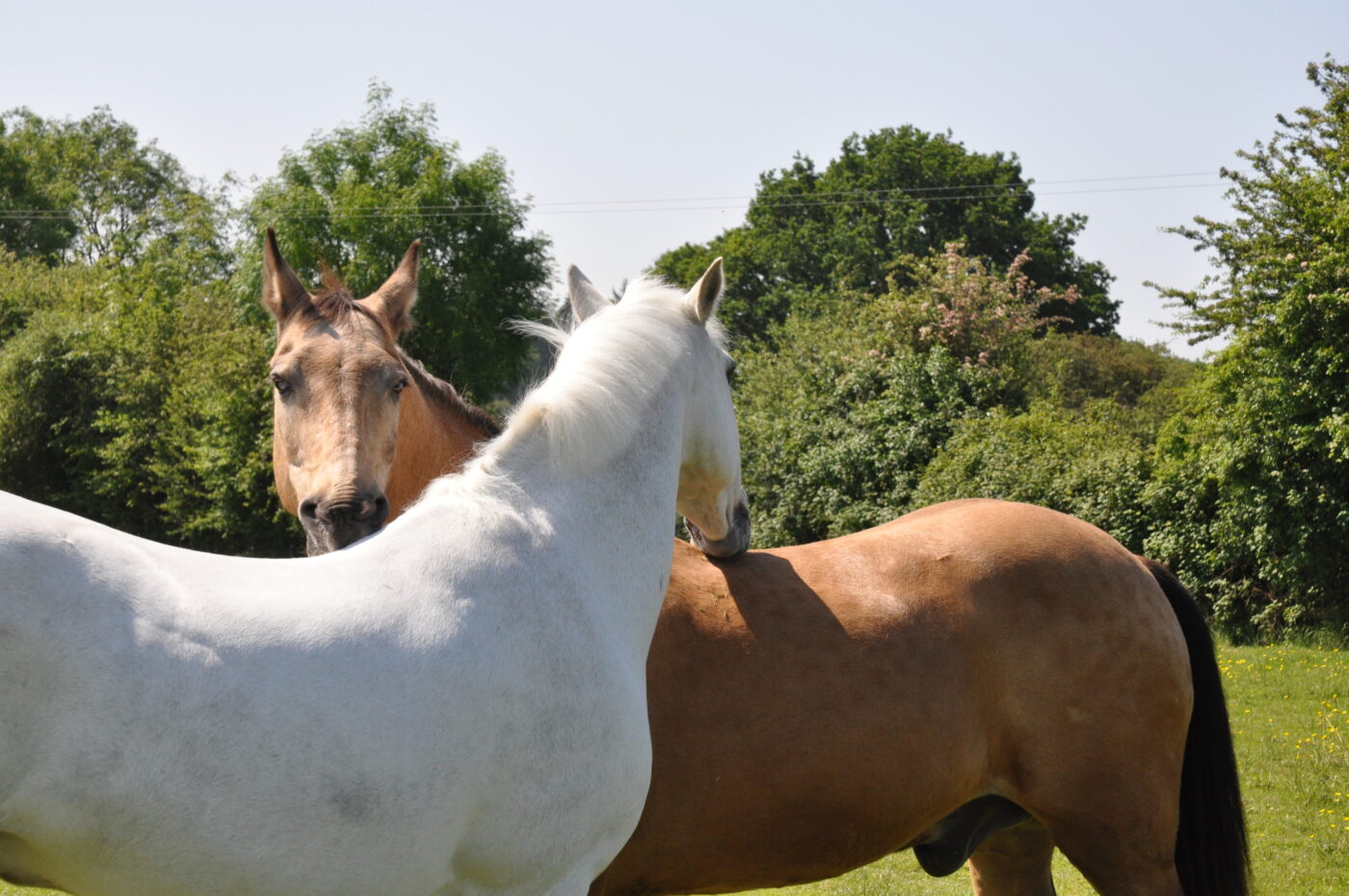
Horses kept in consistent field groups are generally less likely to display aggression towards one another and conflict can be further minimised by providing adequate space and plentiful food sources. Social stabling strategies such as paired/group housing or windows and grilled partitions between stables help maintain social contact.
Forage
As hind-gut fermenters adapted to trickle graze throughout the day, horses need near-constant access to appropriate forage. Not only is this essential to support digestive health and reduce the risk of gastrointestinal issues, but also because horses are highly motivated to eat, and need to spend a long time chewing their food and feel full to be satiated.
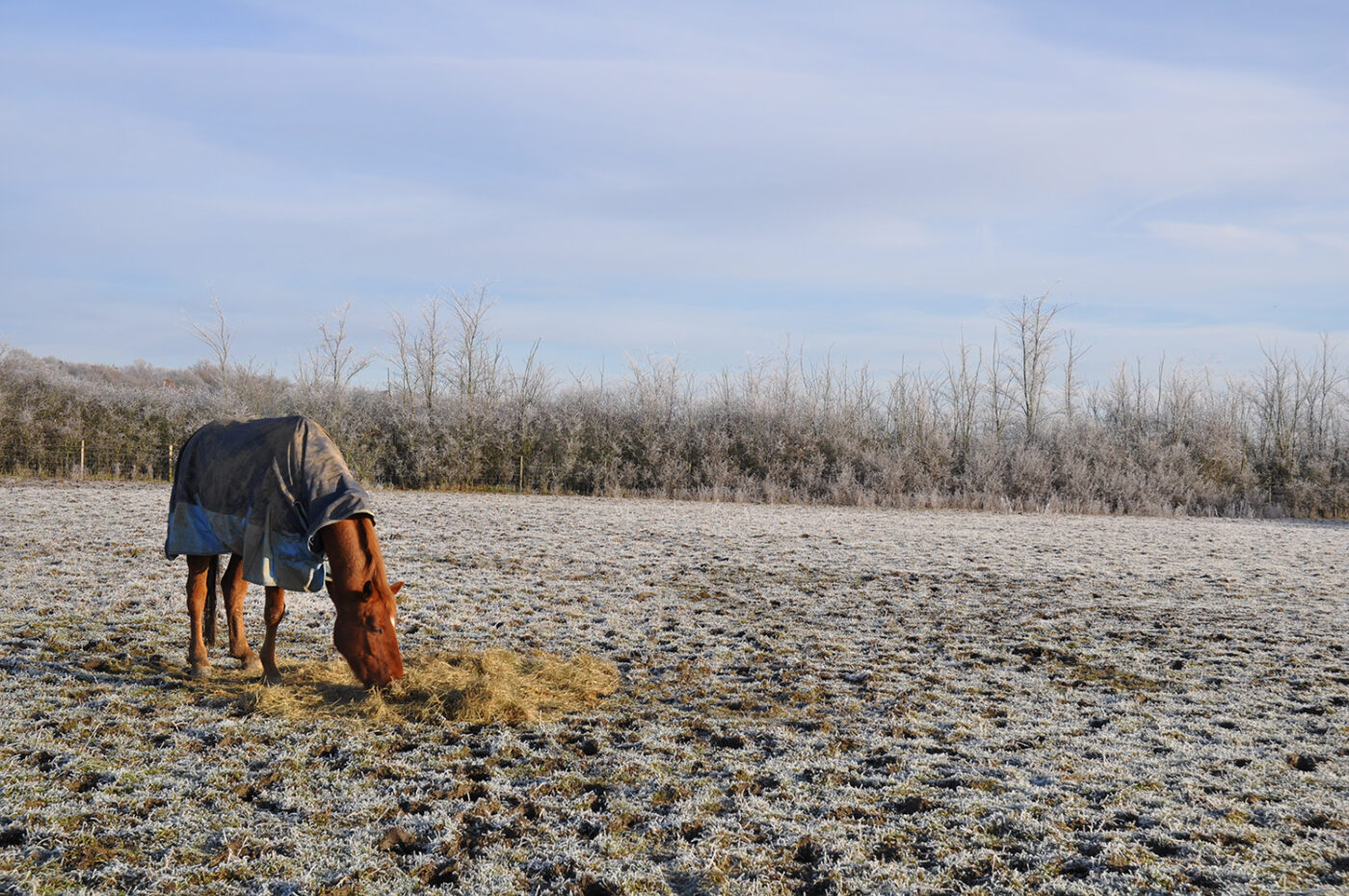
Providing ample forage helps keep horses relaxed by promoting natural behaviours of foraging and prolonged chewing of fibrous materials, and prevents feelings of frustration, which can otherwise lead to aggression or the development of abnormal behaviours.
Freedom
In the wild, horses can roam across home ranges of up to 45 square miles, travelling great distances to explore for food, water and shelter, and sites for resting and rolling. This freedom gives them agency to move where and when they want, and promotes fitness and wellbeing through increased movement. Freedom also comes from choice, and horses show individual preference for different tastes, odours and textures in their foraging when there is diversity in the types of plants and grasses available.
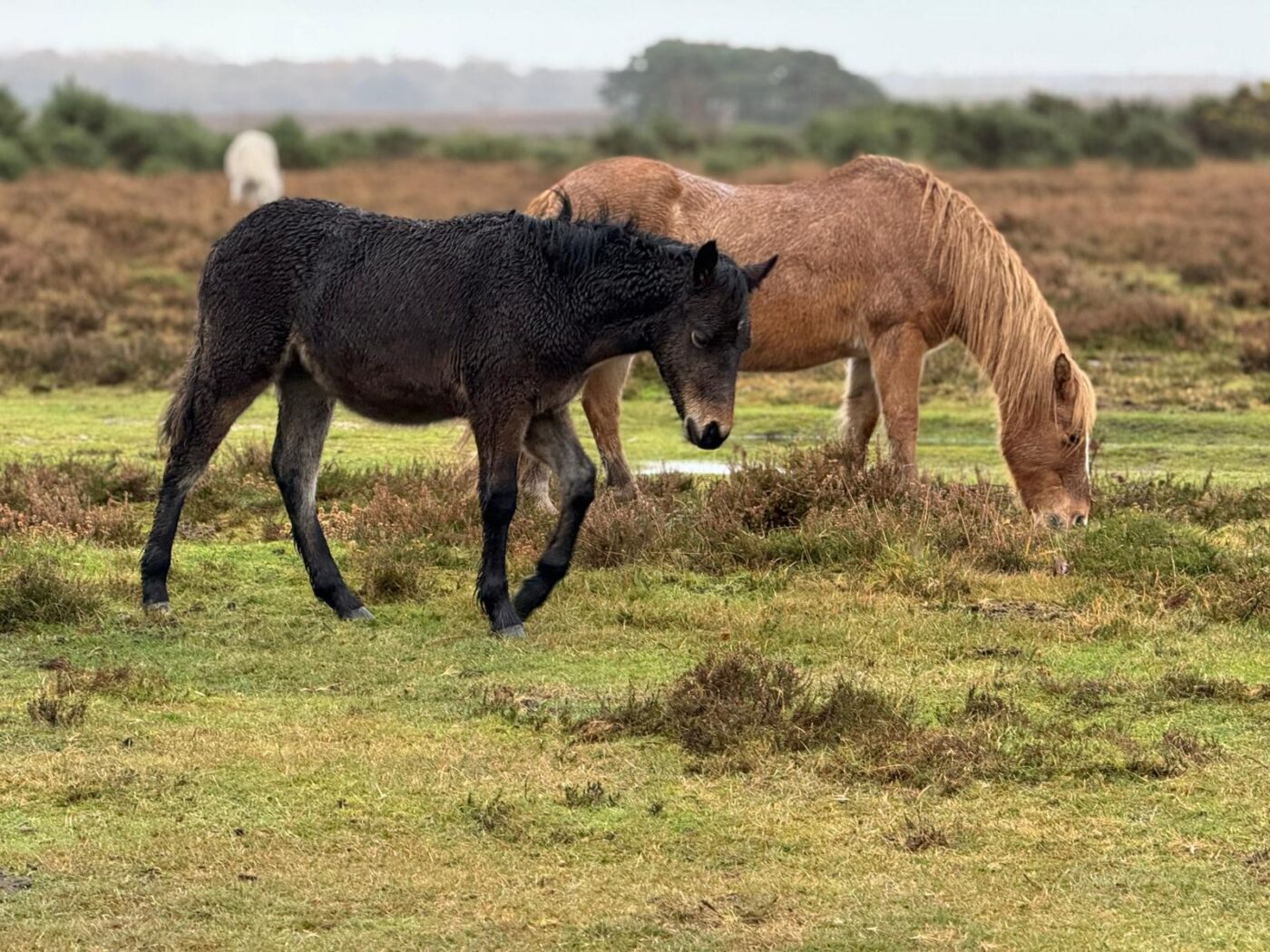
We can encourage movement and exercise through providing turnout in fields and on track systems and offer enhanced foraging opportunities by giving horses a variety of forages to select from even when they are stabled, using creative enrichment ideas for mental stimulation. Enrichment is a useful tool for encouraging natural feeding behaviour patterns for horses on both restricted and unrestricted feed rations.
The 3 Fs provide a clear model for understanding behavioural wellbeing in horses, making it easier for us to create positive welfare experiences. When we provide our horses with the freedom to move, seek out forage and do so in the company of friends, we enable them to express natural behaviours, leading to relaxation, security and contentment.
Rosa Verwijs MSc, FHEA, CEBC, ABTC-AAB,
Senior Lecturer at ARU Writtle
Equine Behaviour Consultant