Attending British Equine Veterinary Association (BEVA) Congress
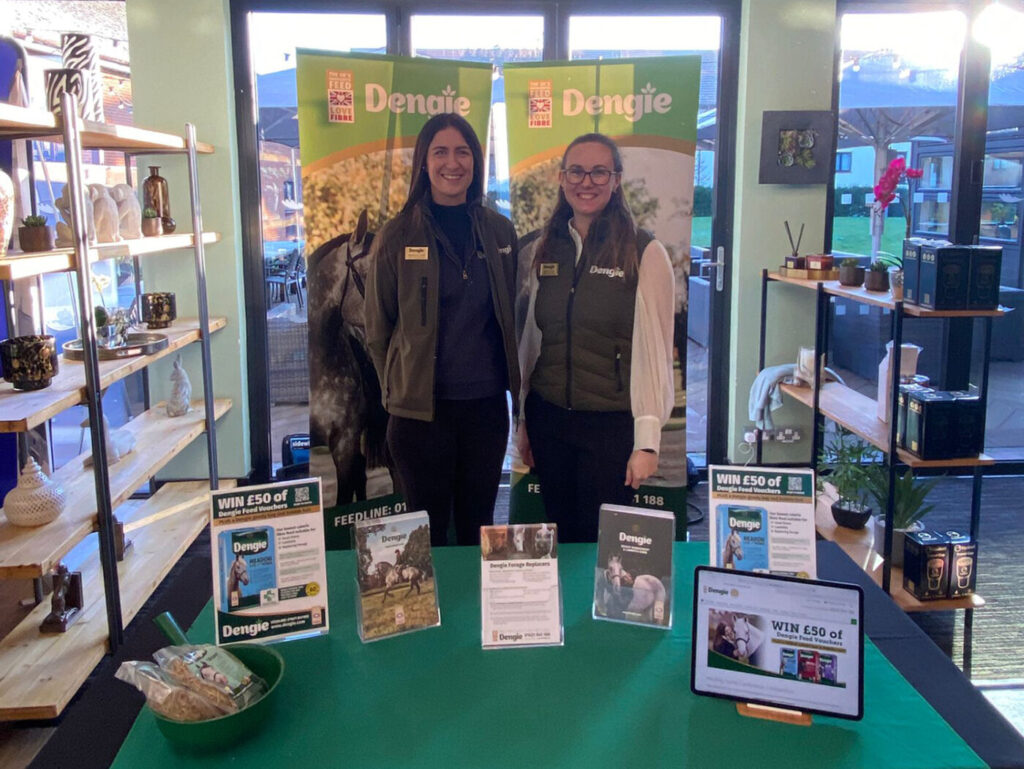
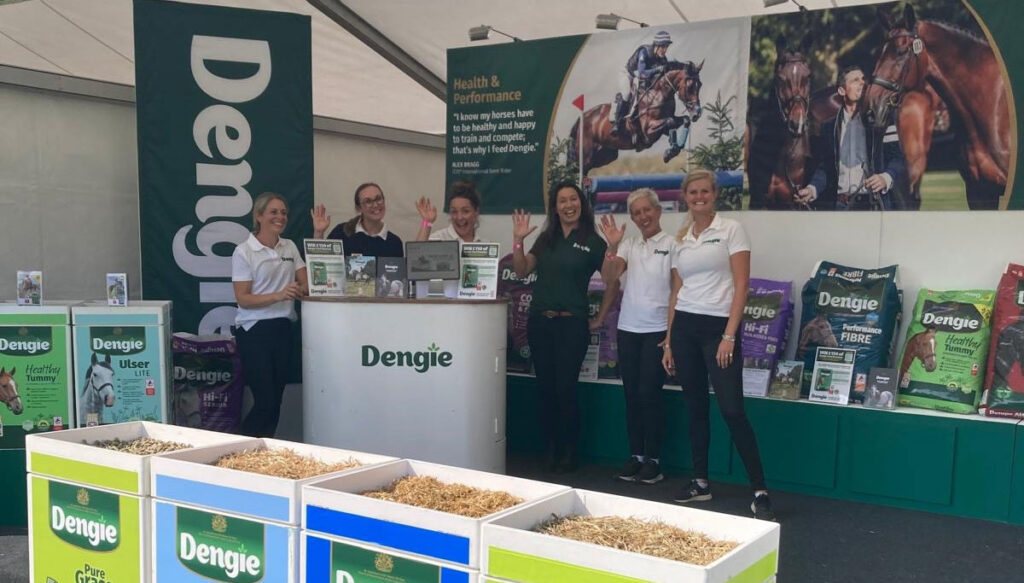
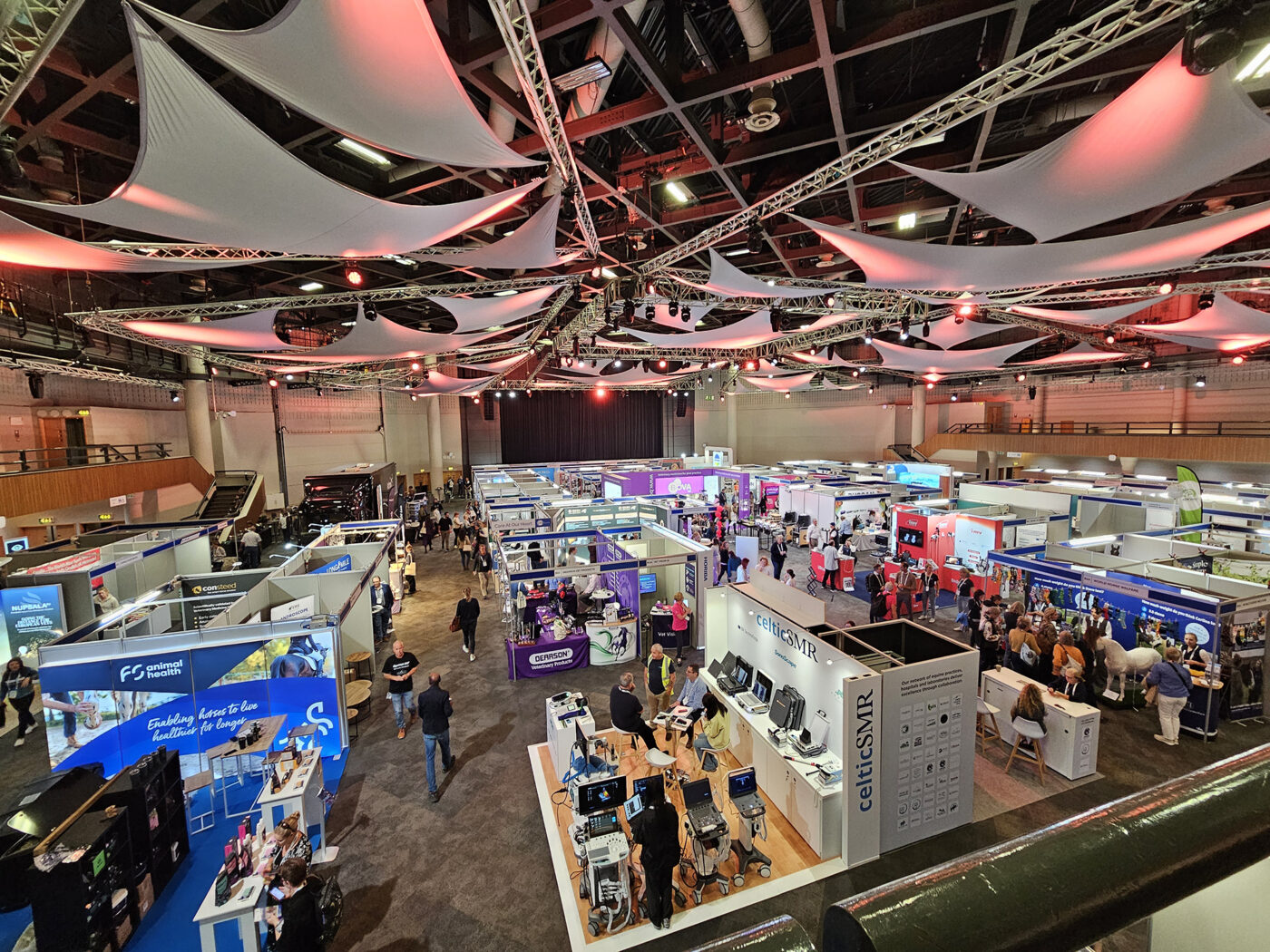
Dengie’s Technical Manager Dr Katie Williams and I had the pleasure of attending the annual British Equine Veterinary Association (BEVA) Congress in Birmingham. The three day event was packed with a wide variety of different lectures and presentations, so it was a fantastic opportunity to boost our knowledge as well as to catch up with several of the vets we regularly work with.
As nutritionists, it’s really important for us to stay connected with developments in the veterinary world. While we are certainly not vets ourselves, keeping up to date with new research and recommendations definitely helps us to put things into context when supporting owners of horses with underlying health problems. It also gives us a better appreciation of the bigger picture and the challenges that many horse owners are facing.

Several sessions were directly relevant to nutrition though, covering topics such as allergies, grazing, Equine Metabolic Syndrome (EMS), growth problems in youngstock, gastrointestinal issues, and weight management.
One of the highlights for me was a session on parasitology and the growing threat of wormer resistance – an area I’ve learnt more about recently through hosting webinars on the topic with Professor Jacqui Matthews. The emphasis on the sessions was to encourage vets to talk more broadly about the subject with their clients, as it really will take the whole industry pulling together to preserve the efficacy of the wormers we still have. Some of the key take-home messages included:
- It’s no longer acceptable to use any dewormers without risk assessment and/or appropriate testing
- We should no longer be worming annually every autumn or winter with moxidectin for horses who are classed as ‘low risk’
- Pasture hygiene is critically important, and droppings should be removed at least 1-2 times a week, though more frequent removal is advised in warmer temperatures over 25°C
Another interesting talk related to Equine Glandular Gastric Disease (EGGD), which is typically grouped under the umbrella of Equine Gastric Ulcer Syndrome (EGUS) and refers to issues in the lower (glandular) region of the horse’s stomach. Although not a new concept, it really highlighted how we should ensure we refer to it as a ‘gastric disease’ rather than simply ‘ulcers’, due to different underlying processes and pathologies, and the fact that it very much represents an inflammatory disease rather than an ulcerative one. Also reiterated was the strong link between refractory glandular disease (where the medication isn’t working) and musculoskeletal problems, recognising that it’s essential to rule out any underlying pain or stress when it comes to managing this disease.
Overall, it was a great conference, and we have come away with lots of new information to digest and reflect on. I feel incredibly lucky to be able to attend these events as part of my role and I’m already looking forward to next year!