


Nutrition for Foals and Youngstock
If you have taken the decision to breed from your mare or are buying a youngster for the future, getting their nutrition right is vital, and ensuring an age-appropriate, balanced diet is one of the key pieces of the puzzle when it comes to supporting optimum growth and development.
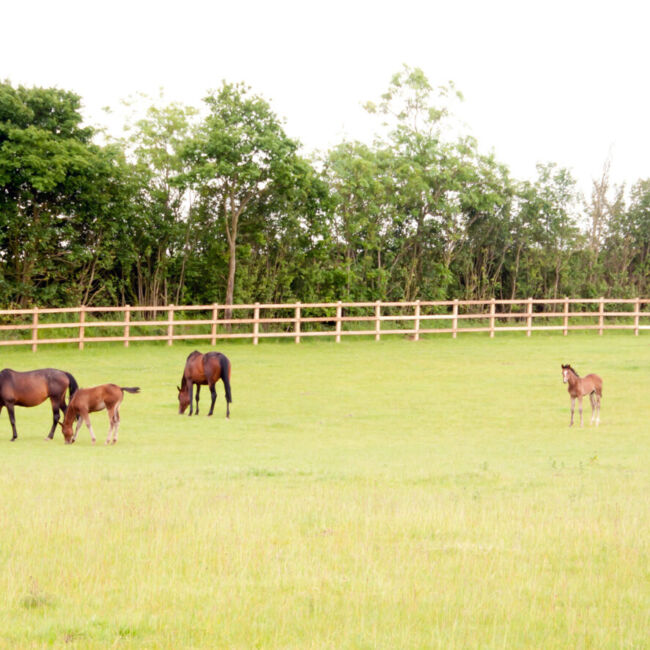
A foal is born weighing between 7% and 13% of its adult bodyweight, depending on the breed. For the first three months of life, the foal is dependent on a milk-based diet and will be consuming approximately 20-25% of its bodyweight in milk per day. A low energy intake can slow the rate of growth, while a high energy intake can increase it – both increase the risk of developmental problems, so the aim should be a steady and consistent growth rate.
One measure of growth rate is the foal’s average daily gain (ADG) which relates to the amount of weight the foal gains on average each day. During the first two months, they may gain up to 1-2kg per day. Generally, the mare’s milk will need to meet this demand because the young foal’s digestive tract is predominantly adapted to a milk-based diet, containing higher levels of the enzyme lactase, which breaks down lactose (milk sugars). It’s not until around 3-4 months of age that lactase activity start to decline and the activity of other enzymes like amylase and protease increases to allow the digestion of starches and protein found in feeds and forages.

A foal may be orphaned for a number of reasons, but whatever the cause, it can be a distressing time for all involved. For foals orphaned from birth, sufficient colostrum needs to consumed within the first 24 hours as this will supply them with essential nutrients and antibodies to support their immune function. Although upsetting, if the mare died during birth, then taking milk from her immediately afterward can often be the best option, especially if emergency frozen or powdered colostrum isn’t easily available. However your vet will be able to advise on the best course of action in this scenario.
Once the colostrum has been provided, if a suitable foster mare cannot be found then a milk replacement powder can be used, and it’s preferable to select a milk replacer specifically formulated for horses. This may need to be provided in a bottle initially but after a few days the foal may be taught to drink from a free-access bucket, which can put less pressure on carers by allowing the frequency of feeding to be reduced. It’s important to follow the milk replacer manufacturer’s preparation instructions to ensure the correct consistency and quantity is achieved.
Milk-based pelleted creep feeds can be used in addition, and these can also be helpful in the case of later orphaned foals who may be unsure about the taste of powdered milk in contrast to their dam’s milk. Creep feed pellets can generally be fed dry but can also be mixed in with some milk replacer or warm water to soften them.
Foals orphaned at 3-4 months or older should at this age be able to consume forage, and so a milk-based product is generally not required, even if they were previously still suckling. In this situation, continue to provide plenty of good quality forage and instead look to slowly introduce a suitable stud ration – a stud balancer combined with a chopped or pelleted alfalfa feed is often a good place to start.
Between three and four months of age, the foal’s digestive tract starts to develop the ability to gain more nutrition from fibre and so becomes less dependent on a milk-based diet. Levels of minerals with the mare’s milk will decline as the period of lactation progresses, so it can be beneficial to introduce an additional source of nutrients to the foal.
If they are maintaining a good condition then a stud balancer is often a nice place to start. Stud balancers are nutrient-dense feeds which supply key nutrients in a small volume. This makes them ideal for good doers, those growing rapidly or those with a limited appetite. Stud feeds typically supply higher levels of protein and minerals than feeds for adult horses, in order to meet the increased requirements for growth and development. Protein is made up of amino acids, some of which have to be supplied in the diet and so are termed essential, such as lysine. Lysine is known as a limiting amino acid, which means that whilst there can generally be an abundant amount of protein in the diet, the horse can still be protein deficient if there’s insufficient lysine in the diet. Lysine is particularly important for youngstock because a deficiency will limit growth and development, and better quality feeds will typically contain higher levels of lysine.
Historically it was believed that cereal-based concentrate rations, like stud mixes or cubes, were necessary for foals to support growth, and that high fibre diets would result in a pot belly appearance. However more recent research has found this not to be the case, with comparable growth rates seen between Thoroughbred foals fed high cereal or high fibre rations, as well as no pot bellies (Moore-Colyer et al., 2020). Given that feeding very high levels of starch in the bucket may predispose youngsters to problems such as gastric ulcers or growth problems, it can be preferable to opt for a fibre-based ration to supply additional calories if needed. Alfalfa can be a useful ingredient as it provides good levels of digestible protein, lysine and calcium, as well as digestible energy. Dengie Alfalfa Pellets, Alfa-Beet, Alfa-A Oil or Alfa-A Molasses Free can be suitable options and just need to be combined with recommended quantities of a stud balancer.
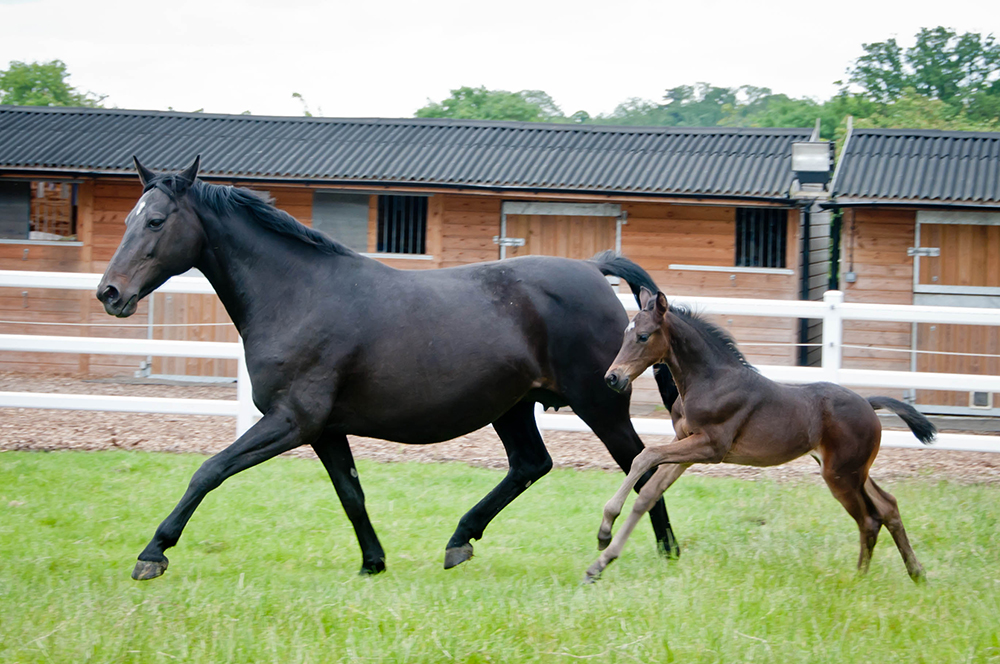
Weaning is usually carried out at around six months of age which often means it occurs in the autumn months when grass quality is declining.
The foal should be introduced to a bucket feed before weaning to support the adaptation to a non-milk based diet and minimise the changes their digestive system will have to experience at one time. Introducing their own feed before weaning is also key in helping to minimise weight loss post-weaning, especially if this occurs in the autumn as the foal will need to use more energy to keep warm. Using a digestive aid supplement that includes live yeast and prebiotics can be of additional benefit to help the foal to adjust to the change of diet. The type of diet used is also important to consider, with research indicating that foals consuming a high fibre and oil diet may be less distressed around the time of weaning compared to foals fed on a high starch and sugar ration (Nicol et al., 2005).
Most weanlings and yearlings are out in the field for some of the day, so grass will be making a contribution to their nutritional requirements. When grass quality is good they may not need any additional energy from feeds to maintain their weight and growth rate, but they still need vitamins and minerals. Copper is an essential mineral for growth as it helps to give tendons elasticity and a copper deficiency has been linked to epiphysitis (Hurtig et al., 1993). UK pastures are naturally low in copper, as well as other minerals like zinc, so supplying a youngstock or stud balancer is recommended, and this can be mixed in a handful of chopped fibre and fed alongside plenty of forage. This may be enough for individuals that are naturally good-doers all year round but lighter breeds may need some supplementary feed in the winter months or at other times if grazing is sparse.
Whichever feed you choose, it’s important to feed it at the manufacturer’s recommended level to ensure that the young horse receives a nutritionally-balanced ration to support correct growth and development. Under- or over-feeding could create excesses or deficiencies, which could predispose the youngster to growth problems. If less than the recommended quantities of a mix or cube are being fed, i.e., if the full quantity might over-supply energy, a stud balancer can be added to help meet nutrient requirements whilst keeping meal sizes and energy intake manageable.

Bodyweight and condition should be monitored as in many cases good quality grazing alone may exceed the youngster’s energy or calorie requirements for growth. Considering that excess weight in youngstock can put more strain on the limbs and increase the risk of growth problems, it may be sensible to limit grazing access where grass is abundant, either through strip grazing or limiting turnout time. Consulting with your vet in conjunction with a nutritionist can be beneficial to determine the most appropriate plan for your youngster, as taking steps to ensure they have a healthy body condition and are not overweight will help to support their longer-term health and wellbeing.
At around three years of age, the growth rate will have slowed sufficiently in most horses that they would be considered adults. The biggest breeds may still need higher calorie and protein rations but this can be achieved using adult feeds rather than stud rations. When starting to back any youngster, avoiding high starch feeds is usually beneficial for encouraging a calm attitude. This was backed up by a study supported by Dengie and published in the Journal of Applied Animal Behaviour Science which found that horses on fibre and oil diets were less reactive to novel stimuli than those on cereal-based feeds with the same energy value (Bulmer et al., 2015). Feeds like Dengie Alfa-A Oil or Alfa-A Molasses Free can be good alternatives alongside a balancer should a higher calorie intake be required, as they provide a similar calorie level to conditioning feeds but significantly lower levels of starch.
FAQ’s
Gastric Ulcers in Foals
It is suggested that up to 50% of foals may develop gastric ulcers, and it’s now accepted that stress is a significant risk factor; it’s therefore unsurprising that high risk times for foals are their first few months of life and around the time of weaning. Acid is already being produced in the stomach from just a few days old, and the foal relies on the presence of milk to help protect the stomach lining which is thinner than that of an adult horse. If for any reason the foal is unable to suckle as frequently as normal, the risk of ulcers increases. Alfalfa is a natural buffer to acidity in the stomach so introducing a small amount in the foal’s diet prior to weaning may be beneficial.
Growth Problems
Developmental Orthopaedic Disease (DOD) can be a major concern to anyone who has youngstock. DOD is an umbrella term used to describe a range of orthopaedic problems in the growing horse including epiphysitis, angular and flexural limb deformities, osteochondrosis dissecans (OCD) and wobbler syndrome, and these may be congenital (present at birth) or acquired. Several factors including genetics, injury, management, excess fat, conformation and nutrition can contribute towards the development of DOD. Foals identified as having DOD should have their diet re-evaluated and so it can be beneficial to consult with a nutritionist in addition to your vet.
When it comes to nutrition, research suggests that high starch diets combined with an insufficient mineral intake are the dietary link to DOD. The protein, vitamins and minerals supplied in the diet determine the strength and integrity of the musculoskeletal system, and tissues like bone, muscle and tendons all require a balance of these nutrients to be formed correctly. If the foal is overweight or growing too quickly then it is an indication that their energy intake should be reduced, but it’s vital that levels of protein, vitamins and minerals are maintained in line with their development. To do this, a suitable stud balancer can be fed alongside a chopped fibre feed to provide more chew time – it is crucial that the youngster isn’t starved as this can lead to problems such as gastric ulcers and colic.
One common misconception is that high levels of dietary protein can cause DOD; however this is a very old school of thought. A research group back in the nineties fed very high protein diets to foals and found there was no difference in the incidence of growth problems compared to foals fed baseline requirements (Savage et al., 1993). Furthermore, some higher protein feeds that are low in starch, such as alfalfa, can make a really valuable addition to a youngstock ration as they provide good levels of essential amino acids like lysine.
For those who are underweight, the source of the energy or calories should also be considered. Treiber et al., (2005) noted that Thoroughbred weanlings on diets rich in starch and sugar had a greater degree of insulin dysregulation compared to weanlings on higher fat and fibre diets. It has been suggested that insulin dysregulation can play a role in the development of DOD (Ralston, 1996; Staniar et al., 2007) and so high levels of cereals in the ration should be avoided. Instead, feeding a high calorie, chopped fibre feed like Dengie Alfa-A Oil is a safer alternative to a cereal-based feed but can still provide sufficient energy or calories for a growing youngster. Alfa-A Oil has 12% added oil and 12.5MJ/kg of digestible energy which is the same level of energy found in a traditional stud mix but with around 10 times less starch. All that’s needed alongside is a suitable supplement or stud balancer.
It’s important to remember that correct nutrition of the broodmare during pregnancy and lactation also plays a key role in reducing the risk of DOD in the foal, and more information on feeding the broodmare can be found here.
There are many factors that affect a foal’s growth rate such as the grass quality and the amount of milk they are consuming. Contracted tendons or epiphysitis are clearly evidence of a problem but the aim is to try and spot a fast growth rate before clinical signs of DOD are apparent. Regularly weighing or weigh taping a youngster allows you to monitor their average daily gain (ADG) which can be plotted on a simple graph.

Plotting your youngster’s weight every couple of weeks will create a growth curve. If you see a very steep growth curve forming, you may want to reassess the diet and reduce energy intake. In contrast, if the curve is very flat, it’s an indication the foal isn’t growing very well which may indicate an underlying health problem or simply that the mare isn’t milking very well and so may require more support.
Condition scoring foals is slightly different to adult horses because when they are born, foals have very little body fat and so their ribs and the scapula will be clearly visible. Within a few weeks they will begin to fill out and bony areas will have a smoother appearance and should look less protruding. Foals are slower to cover their ribs with fat and so as long as they have rounded quarters and are developing a top line, visible ribs in foals shouldn’t be a cause for concern as it might be in the adult horse. In fact, for growing horses, it can be preferable to maintain them at a slightly lower condition score (around 2.5 out of 5), with the last two ribs being slightly visible, since excess weight can put extra pressure on growing limbs.
What can be done to reduce the risk?
- Use a greater proportion of fibre and oil to supply energy – alfalfa combined with oil, as with Dengie Alfa-A Oil, provides as much energy and protein as a stud mix or cube, but without the starch. Oil has the additional benefit of providing a super sales ring shine to the coat.
- Combining a fibre and oil based ration with a stud-specific feed balancer helps to encourage a steady rate of growth whilst ensuring trace mineral requirements are met.
- Using highly digestible fibre sources like high alfalfa, grasses and sugar beet pulp are less likely to create a “hay belly” appearance.
- Alfalfa Pellets are a concentrated way of providing energy and protein from fibre for those with limited appetites.
- The calcium in alfalfa is highly bioavailable and so easier for the horse to absorb. Just 1 heaped scoop (500g) of Dengie Alfa-A Original provides a Thoroughbred yearling with 1/5 of their daily calcium requirement.
Whatever you choose to do with your youngster, investing in good quality nutrition and feeds that are well-tailored to youngstock in their formative years is likely to pay dividends in the years to come.
Prepping for Shows and Sales
Typically, youngsters being prepared for shows or sales will be fed high levels of cereal-based concentrate rations to promote good, and sometimes excessive, condition. Risk of DOD at this time is high, especially if the diet is not correctly balanced, and it’s important to consider whether winning or achieving a high sale price will outweigh the risk of problems now and later in their life.
Feeding little and often helps to reduce the risk of digestive disturbance and feeds that are low in starch but high fibre and oil, such as Dengie Alfa-A Oil or Performance Fibre, can help to promote condition whilst being sympathetic to the digestive system. Feeding fibre has the added benefit of requiring lots of chewing which generates saliva that is known to help reduce the risk of gastric ulcers. There is evidence to suggest that omeprazole, which is frequently used to treat ulcers, can reduce calcium absorption in horses (Pagan et al., 2020). This is significant for adult horses but particularly for youngstock who have increased requirements for calcium for healthy bone development. Add this to the fact that controlled or forced exercise (such as walking in-hand, mechanical walkers, lunging) is not as good as free-range exercise for bone mineralisation, and it’s easy to see why sales prepping is a high risk time for injury and disease.
Summary
- Even before the foal is born, ensure the broodmare is fed a suitable balanced diet.
- Monitor growth rates of young horse – slow and steady growth is important for skeletal soundness.
- Regularly body condition score and take care that the growing horse doesn’t become overweight.
- Provide a balanced diet using correct quantities of an appropriate stud feed alongside good quality forage.
- Use feeds low in sugar and starch to reduce the risk of growth problems – protein is not the culprit and a sufficient level of protein needs to be provided.
- Alfalfa is a beneficial component of the ration to supply essential amino acids like lysine as well as high levels of calcium.
- Alfalfa feeds with added oil contents can be useful to provide additional calories if needed.
References
- Bulmer et al., (2015) The effects of a high-starch or high-fibre diet on equine reactivity and handling behaviour. Applied Animal Behaviour Science, 165, pp. 95-102.
- Hurtig et al., (1993) Correlative study of defective cartilage and bone growth in foals fed a low‐copper diet. Equine Veterinary Journal, 25(S16), pp. 66-73.
- Moore-Colyer et al., (2020) Growth rates of thoroughbred foals and in vitro gut health parameters when fed a cereal or an all-fibre creep feed. Journal of Equine Veterinary Science, 93, p.103191.
- Nicol et al., (2005) The effects of diet and weaning method on the behaviour of young horses. Applied Animal Behaviour Science, 95(3-4), pp. 205-221.
- Pagan et al., (2020) Omeprazole reduces calcium digestibility in Thoroughbred horses. Journal of Equine Veterinary Science, 86, p.102851.
- Ralston (1996) Hyperglycemia/hyperinsulinemia after feeding a meat of grain to young horses with osteochondritis dissecans (OCD) lesions. Pferdeheilkunde, 12, pp. 320-322.
- Savage et al., (1993) Effects of dietary energy and protein on induction of dyschondroplasia in foals. Equine Veterinary Journal, 25(S16), pp. 74-79.
- Staniar et al., (2007) Insulin‐like growth factor I in growing thoroughbreds. Journal of Animal Physiology and Animal Nutrition, 91(9‐10), pp. 390-399.
- Treiber et al., (2005). Insulin resistance and compensation in Thoroughbred weanlings adapted to high-glycaemic meals. Journal of Animal Science, 83(10), pp.2357-2364.



Expert advice at your fingertips
If you’re looking for advice on the best feed, speak to one of our highly experienced nutritionists on our feedline, or for a more in-depth plan, fill out our Feed Advice Form