


Quick Links
What does feeding a balanced diet to your horse mean?
You’ve probably heard about the importance of feeding a balanced diet to your horse on numerous occasions, but what does it mean in practice? In simple terms, a balanced diet is one that contains the energy and nutrients required by an individual according to their specific requirements for work, life stage or reproductive status. Where things get a little more complicated is establishing what those requirements are in the first place, and then working out the contribution each part of the diet is making.
Which nutrients are important to horses?
Achieving the right amount of energy in the ration is usually very apparent; we can see if a horse is over or underweight or feel when they have too much or too little energy to do the work we’re asking of them. When we’re thinking about other key nutrients, it might not be quite so obvious as to whether we’re supplying the right levels.
Fibre
An interesting area that often causes confusion is that of fibre versus forage. Fibre is the nutrient that forages are generally abundant in relative to other feed materials and is essential for good digestive health. Fibre is fermented by millions of micro-organisms in the horse’s hind gut and this produces short chain fatty acids (SCFAs) which are absorbed through the intestinal wall and converted to glucose or fat for energy use or storage. The bacteria that break down the fibre also produce B-vitamins and vitamin K which can then be utilised by the horse. Heat is also created as a result of the fermentation process, helping to keep the horse warm.
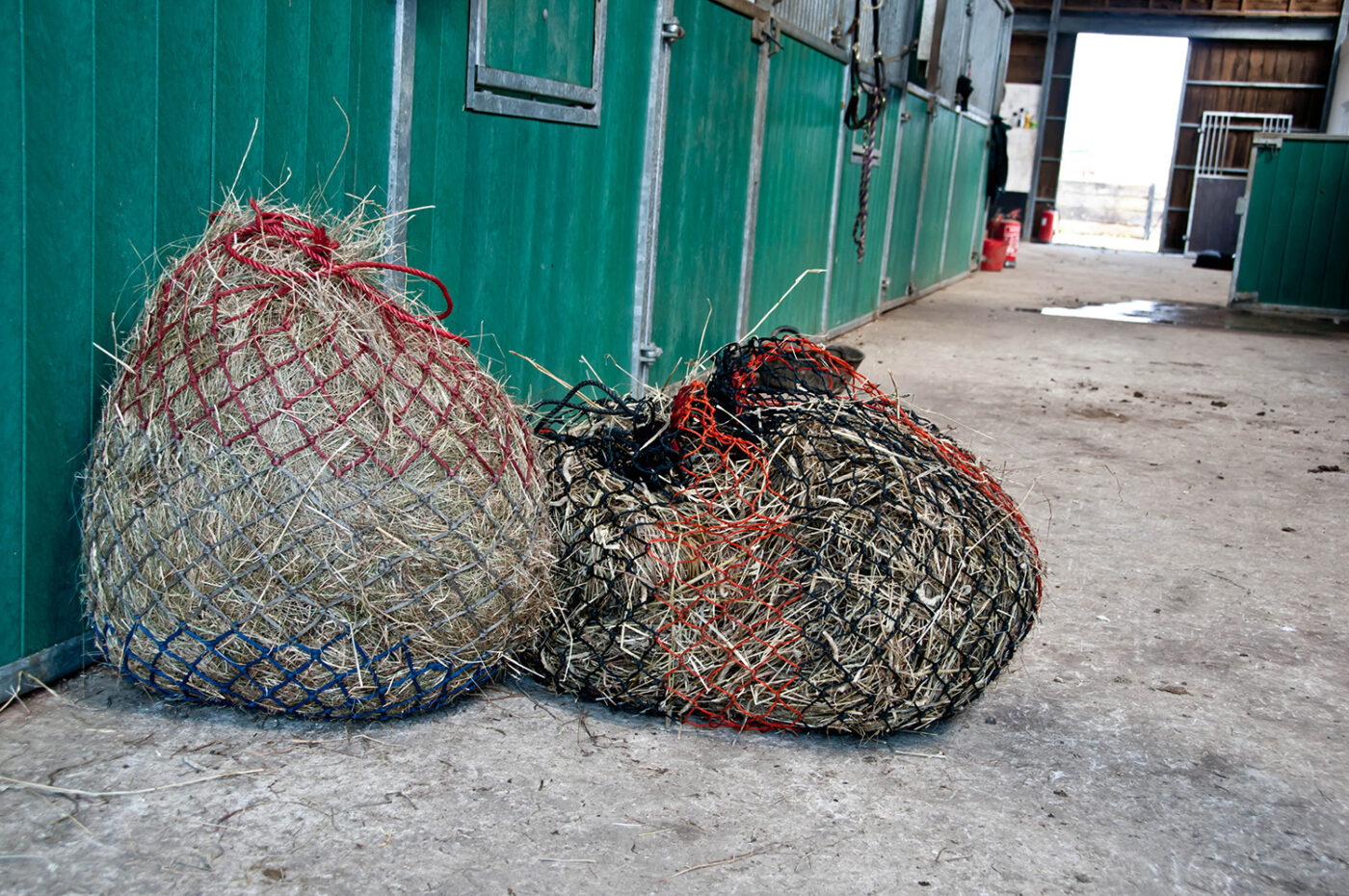
Despite its many benefits, many people are surprised to hear that a fibre requirement for horses has not been established; instead, advice is that forage should make up at least 1.5% of a horse’s bodyweight (on a dry matter basis) per day. It could therefore be argued that a balanced diet is also dependent on this minimum amount of forage being fed each day, although it is important to note that the diet won’t necessarily be unbalanced if more forage is fed!
Vitamins
The primary vitamins to consider for the horse are vitamins A, D and E.
- Vitamin A – an antioxidant which also supports eyesight, immune function and the reproductive system
- Vitamin D – this plays a crucial role in calcium and phosphorus regulation and absorption, and is essential for bone health and muscle function
- Vitamin E – an important antioxidant which supports muscle and cell function
Vitamin C holds a much lesser prominence in equine diets in contrast to humans, as the horse possesses the specific enzyme to produce their own vitamin C from glucose in the liver. This means that supplementary vitamin C in the healthy horse is often of no additional benefit, although it may be helpful in certain clinical situations when the horse’s immune system is significantly compromised.
B vitamins for the horse are essential for chemical reactions in the body and are primarily synthesised by micro-organisms in the hindgut as a by-product of fibre fermentation. One of the most well-known of these is biotin, which is essential for cell proliferation and is the most commonly identified nutrient for improving hoof quality. As a result, biotin supplements for horses have risen in popularity quite dramatically in recent years.
If the digestive system is healthy and functioning normally, the horse would be expected to produce sufficient biotin to maintain hoof condition. However, if the supply of fibre is compromised or the environment of the gut is not conducive to allow the bacteria to function efficiently, then the production of B vitamins, including biotin, may be reduced. Poor hoof condition can often be a reflection of an unhealthy digestive system and the addition of B vitamins within the feed, particularly biotin, may be beneficial. It goes without saying, making sure sufficient forage is being consumed is also important for the horse’s general health and well-being.
Minerals
Minerals can be divided into two broad categories: macrominerals, which are present in larger levels in the body, and microminerals, which are typically required in smaller amounts. The term ‘chelated’ refers to minerals which have been combined with other molecules, such as amino acids, to improve their availability and the way in which they are absorbed and utilised by the body. Dietary minerals should be regarded as a group rather than individually because they can interact with one another. This means that an excess of one mineral may end up causing a deficiency of another. The key minerals in equine diets and some of their main functions are listed below.
- Calcium and phosphorus – these are the major minerals in the skeletal system and are often considered in ratio to one another. Calcium is also required for muscle contraction and nerve pulse transmission, and phosphorus is essential for energy production. Horses require a calcium to phosphorus ratio in their daily diet of 1.5-2:1, meaning they need 1.5-2 times as much calcium as phosphorus.
- Magnesium – essential for muscle function and neuromuscular activity, as well as being involved in numerous metabolic processes within the body including hormonal activity, bone and teeth integrity and cell respiration.
- Potassium – required for muscle activity, cell function and energy production. Forage will typically provide good levels of potassium, but the horse can lose a significant amount via sweat. Therefore a specific electrolyte supplement is recommended for horses who are sweating regularly, such as those in a higher level of exercise.
- Sodium – important for healthy nerve and muscle function, and is another of the major electrolytes, or body salts, that are lost in sweat.
- Copper – supports the function of a number of enzymes that are involved in various metabolic pathways within the body, and is important for heart function, bone and connective tissue health, and oxygen transport in the blood. Forage typically contains only very low levels of copper which is why it is important to supply it within the bucket feed as part of a balanced ration.
- Zinc – functions as a component of enzymes involved in carbohydrate and protein metabolism, supporting bone development in youngstock, as well as hoof and skin health. The horse is quite resistant to a high zinc intake, although it can interfere with the uptake of copper if consumed in excess.
- Iron – important as part of a balanced diet for the production of red blood cells and oxygen transport around the body, as well as having a role to play in immune function and energy metabolism.
- Selenium – an antioxidant which is essential for immune function, reproductive health and muscle support.
- Manganese – essential for the brain and nervous system function. Manganese also plays a key role in bone formation and is an activator of several key enzymes in energy use, fatty acid synthesis and amino acid metabolism.
Protein
The level of protein in the diet is also key when it comes to supplying a balanced diet. Protein is found in all tissues in the body, and is also an important component of enzymes, hormones and antibodies. The building blocks of protein are amino acids, some of which have to be supplied in the diet because the body cannot make sufficient quantities to meet requirements. These are termed “essential” amino acids, and include lysine, methionine and threonine. However, lysine is the only amino acid, essential or otherwise, for which the requirement has been determined in horses. More information on protein can be found here.
How much of each nutrient does a horse need?
In the UK, the National Research Council’s (NRC’s) Nutrient Requirements of Horses tends to be the reference text used as a basis to determining a horse’s nutrient requirements. This text originates in North America and was last updated in 2007, so when a nutritionist is formulating a horse feed or supplement, they will also review more recently published research that may indicate a higher or possibly lower level of a particular nutrient is advocated for a certain situation.
It is important to consider at this stage that there are ranges within which a nutrient level can be consumed without causing a problem such as a deficiency or toxicity. The graph shows how there is an optimal level and then a range around optimal before a toxicity or deficiency situation is reached. As long as levels of each nutrient are in that range and within suitable ratios to one another then the horse’s diet can be considered balanced – it is impossible to achieve precisely optimal levels for every nutrient all at the same time, especially given how the nutritional value of pasture varies throughout the year.
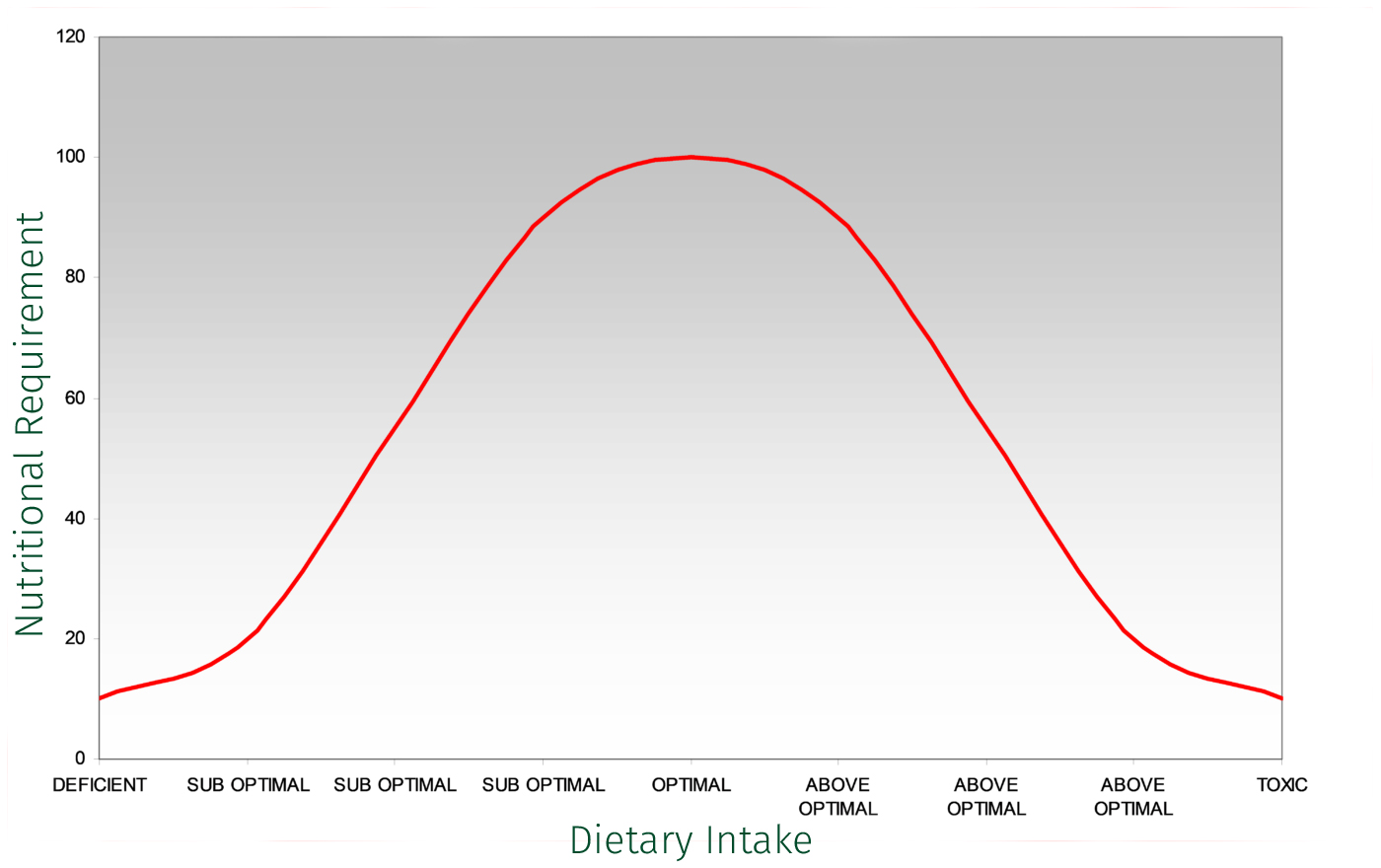
The optimal range varies for each nutrient. Selenium, for example, is the mineral with the narrowest range above optimal levels before a toxicity issue may be seen because the horse’s body doesn’t have a good mechanism in place to counter an excessive consumption. Acute toxicity issues in horses are rare but the potential for a chronic issue exists, whereby an overconsumption of minerals can result in an abnormal load within certain body tissues and this can increase the risk of damage to the cells over time. It is not unheard of for three or more feeds and supplements containing added minerals to be fed at the same time, which may be enough to cause a chronic toxicity, especially for selenium.
How do we know what each feed ingredient is contributing?
When formulating a horse feed, a nutritionist will have reference values for the levels of nutrients found in commonly used ingredients. Some ingredients are more consistent in their nutrient levels than others, and because there is a legal requirement for a feed to be within a certain range of what is declared on the bag or tub, typically more of the most consistent ingredients will be used. Regular testing of feed materials as well as the finished feeds allows equine nutritionists to adjust formulations or declarations accordingly.
In general, nutrients from plant material are absorbed more efficiently by the digestive tract than inorganic (mined) sources. For example, alfalfa and sugar beet pulp are both abundant in calcium which is more bio-available than that from limestone flour. A study by Pagan et al (2020) also showed that calcium source had a significant effect on calcium digestibility, with calcium from marine origins being better absorbed than that from limestone flour. An added benefit was that the marine origin calcium was also less negatively affected by the use of gastric ulcer medications containing omeprazole.
Does forage contribute anything or is it just bulk?
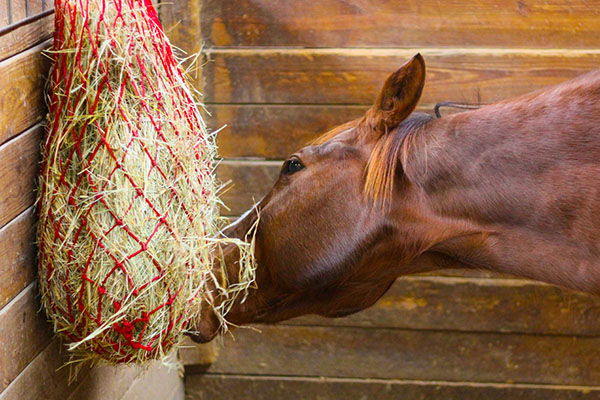
As well as being the primary source of fibre in the equine diet, hay, haylage and pasture will also all contribute some level of vitamins and minerals to the horse’s ration, though these levels can vary quite significantly. This adds a complicating factor for both nutritionists and horse owners when formulating rations, as it is the total intake of nutrients from the whole horse’s diet (including the forage) that determines whether the diet is balanced. When formulating a feed or supplement, nutritionists have to take into account the likely contribution of the forage, and there are a number of variables to consider, including how much is fed and how good a quality it is. In many cases, feeds are formulated based on ‘average’ quality forage, and for the vast majority of horses, this works fine as the very definition of average is that it represents the most individuals in a population.
However, a more nuanced approach may be required for extreme situations, such as the very good doer on restricted forage rations to promote weight loss, or the elite performance horse who may be competing in exceptionally hot and humid conditions. Additionally, in situations where a horse has a disease or underlying health issue, it is important that the whole diet is assessed in more detail. In this instance, analysing the forage is usually helpful as it is likely to be making up at least half of the ration and so will be having a significant impact on the total level of nutrients within the diet. Most horse feed companies can arrange a forage analysis for you for which they may charge, or your forage supplier may be able to provide you with some detailed analytical information. The nature of the problem will determine which analysis information is going to be most relevant and helpful, and your vet or equine nutritionist can advise you on this.
How do I know if my horse’s diet is balanced?
If your horse is consuming plenty of good quality forage and has no major health concerns, a good place to start is to make sure they are having a suitable bucket feed, at the correct quantity. Even very good quality forage in the UK will typically be lacking in certain nutrients and so we need to look at providing these in the bucket.
- For good doers and those who maintain their weight on forage alone, these nutrients can be provided by a pelleted feed balancer or a broad-spectrum vitamin and mineral supplement, ensuring the correct quantities are fed for the horse’s bodyweight. These can simply be added to a soaked or chopped fibre feed, which not only aids palatability and ensures the horse consumes the full amount of supplement, but can also help to slow down eating time and promote increased chewing. A longer chew time is beneficial for the horse as it results in an increased saliva production which is important for acid buffering in the digestive tract, as well as assisting with the softening and lubrication of the feed. Furthermore, it has been found that even low sugar and starch feeds can result in an increased insulinaemic response in horses with insulin dysregulation and equine metabolic syndrome (EMS) (Macon et al, 2021). Since the rate of consumption also plays a role, the addition of a chopped fibre feed to increase the eating time of a balancer is particularly relevant for horses who may be at risk of such problems, like those who are overweight.
- For underweight horses or those needing more support to maintain weight and condition, a balancer can be combined with a higher energy fibre feed, such as one containing alfalfa and higher levels of oil. These types of feed supply the same amount of energy/calories as a conditioning mix but with around 10 times less starch. Nutritionally-balanced fibre feeds can also be a useful option, as these supply suitable levels of vitamins and minerals when fed at recommended quantities, meaning that a separate balancer or supplement is not required.
- For horses in high levels of exercise or breeding stock, choosing balancers or supplements designed specifically for these types of horses is likely to mean that the nutritionist has taken into account additional factors and designed the formulation to reflect them. For example, pregnant and lactating broodmares have greater requirements for a range of nutrients including protein, lysine, calcium, phosphorus, copper, zinc and vitamins A and E compared to horses at rest, and a higher level of exercise also increases nutrient requirements (National Research Council, 2007). An appropriate fibre feed may be fed alongside a suitable feed or balancer to slow chew time and provide additional energy/calories as required.
When choosing a suitable feed, the key point to remember is that the feeds won’t do the job they are intended for if they aren’t used correctly. It is really important that the horse’s weight is known and the amount outlined on the pack for the size of horse is fed to ensure the diet is balanced. If you find that you are needing to feed significantly more or less than the recommendation then it probably means you have got the wrong feed for your horse and the diet is not likely to be balanced.
In some situations, feed balancers or broad-spectrum vitamin and mineral supplements can be used to top dress the diet if less than the recommended amount of a fortified feed is being fed. However it is advisable to speak to a nutritionist in these instances to check the correct ratio is being fed, as the full quantity of the balancer or supplement may not always be required.
A diet can be balanced on paper but the proof is in the horse; if they look well, are the correct weight and are able to perform the level of work required, then it is a good indication the diet is balanced. If the horse isn’t right, then an adjustment may be required even if the diet appears to be balanced – remember that nutrition is the science, feeding is the art! An equine nutritionist will be able to review your horse’s diet and advise if any adjustments may be needed. Although tools such as a hair analysis to assess mineral intake may seem like an easy and attractive solution, these have been found to be unreliable, with hugely varying results seen between different laboratories (Wahl and Vervuert, 2022) and factors such as coat colour also affecting mineral status results (Asano et al, 2005). Such tests are therefore not recommended as an assessment of mineral balance in the horse’s ration.
Do I need to add extra supplements?
If there is found to be a particular nutrient shortfall in the forage, a nutritionist may advise supplementing with an individual nutrient. Care should be taken in doing this though, as minerals compete with one another for absorption sites in the gut, and so increasing one may drastically reduce the uptake of another, which could cause further issues. Animals are also usually efficient at regulating uptake of nutrients from the body – increasing consumption doesn’t necessarily mean more will be absorbed, especially if the body doesn’t think it needs it and so this can be a waste of money. If you are feeding the correct levels of a nutritionally balanced feed, balancer or broad-spectrum supplement for your horse’s size and level of work then you should not need to add anything extra, but ask a nutritionist for help if you are unsure.
Essential Fatty Acids
As the name suggests, essential fatty acids must be supplied in the diet as the horse’s body can’t synthesise them itself. Essential fatty acids are long chain polyunsaturated fatty acids and to understand what this means we need to break it down further.
Firstly, fatty acids are chains of carbon atoms joined together with long chains containing 12 or more carbon atoms. The bonds that join the carbon atoms are either single or double bonds. A fatty acid containing only single bonds is a saturated fatty acid whereas polyunsaturated fatty acids contain more than one double bond. So, essential fatty acids contain more than 12 carbon atoms and contain more than one double bond.
The omega 3 or 6 name refers to the position of the first double bond in the chain -omega 3s have the double bond linked to the third carbon atom whereas in omega 6s it is linked to the 6th carbon atom.
So why are these essential fatty acids important?
Fatty acids are incorporated into a number of tissues in the body including the brain. Cell membranes contain fatty acids and it tends to follow that the proportions of fatty acids consumed in the diet are incorporated into cell membranes in the same ratios. The fatty acids in cell membranes can be released and transformed into prostaglandins and thromboxanes. If omega 6 is converted to these substances, they create pro-inflammatory prostaglandins whereas omega 3 create anti-inflammatory ones. To summarise, this suggests that high intake of omega 6 puts the body in an “inflammatory” state and is linked to diseases such as arthritis.
The Sources Of Omega 3 And 6 In The Natural Diet
The horse’s natural diet contains very little oil and even when supplementary oil is fed, horses tend to consume much lower levels than humans. However, feeding oils that contain high omega 6 : 3 ratios, as well as cereals, is undoubtedly changing the ratio of fatty acids compared to what would normally be found in the horse’s natural diet. Although we don’t yet know the implications of this, if work in other animals and humans is an indicator, it is not advisable to significantly increase the 6:3 ratio and it is worth considering adding more omega 3 to your horse’s diet.
Best Sources Of Omega 3 For Horses
The best source of omega-3 is fish oil because this contains EPA (eicosapentaenoic acid) and DHA (docosahexaenoic acid), which are in the form that the horse needs them. For those who prefer not to feed fish oil, hemp oil is another option; however, this should be avoided for horses who compete as it contains cannabinoids which is a prohibited substance (NOPS). A relatively new ingredient becoming more widely available is ahiflower oil. This is a great source of essential fatty acids particularly omega 3 and is a more sustainable option than fish oil and is okay from a NOPS perspective too.
Antioxidants
Oxygen is essential for life, but oxidation can produce harmful free radicals. In fact, it is suggested that 3-5% of oxygen taken up by a cell results in free radical production. Free radicals can cause damage to cell membranes and even DNA, and it is this damage that contributes to the ageing of tissues, which can ultimately cause serious diseases, including cancer, inflammatory diseases such as arthritis and degenerative neurological diseases such as Alzheimer’s and Parkinson’s in humans.
Free radicals are also produced by pollution, radiation, UV light and cigarette smoke. The more tissues are exposed to these sources, the greater the potential for damage to be done.
Do horses really need antioxidants?
There are several groups of horses that are likely to benefit from increased antioxidant intake:
- Performance horses – increased exercise results in more free radicals.
- Laminitics – research has shown that the stopping and starting of blood supply (reperfusion) to tissues results in increased free radical production.
- Injury and illness can produce more free radicals.
Where do antioxidants come from?
For our own diet one of the reasons we’re encouraged to eat a “rainbow” of fruit and vegetables is that different antioxidants are abundant in the different-coloured fruit and veg. For example, lycopene is found in tomatoes (including ketchup), whereas proanthocyanidins are found in berries, currants and grapes.
Surely the horse just eats grass, which is green?
It is fair to say that we don’t know the full extent of the antioxidant profile that a horse or pony would consume in its natural diet. By natural, we don’t mean the improved pastures that the domesticated horse is kept on, but the forests and moors that are home to native breeds. As the horse would naturally have eaten a much wider range of plant material – including herbs – in these environments, it is likely they would have consumed a more diverse range of antioxidants than grass alone contains.
How do I feed my horse more antioxidants?
The first step is to ensure that the diet is balanced with vitamins and minerals because these are essential nutrients and vital to health and performance and many act as antioxidants as outlined above. Increasing the diversity of plant species in your horse or pony’s grazing isn’t always practical, so including different types of plant material in the bucket feed might offer a more feasible alternative. Alfalfa, for example, is a rich source of beta carotene and flavones, as well as vitamins and minerals. Adding apples and carrots to the feed is not just a nice treat, but would also supply additional antioxidants such as quercetin, which is found in apple skins.
Summary
- Feeds and supplements are designed to be fed at a certain weight according to the horse’s bodyweight – if you need to feed more or less then you probably have the wrong feed.
- Minerals interact with one another and compete for absorption sites – take care if supplementing one mineral in isolation as it will impact on others.
- Forage makes up at least half of most horses’ rations and so often has a significant impact on whether the diet is balanced – analysis is particularly useful if a horse has a disease or underlying condition.
- There are many variables impacting the levels of nutrients in forages – the rest of the diet may need to be adjusted to reflect the changes seen in forages throughout the year.
References
- Asano et al (2005) Influence of the coat color on the trace elemental status measured by particle-induced X-ray emission in horse hair. Biological Trace Element Research, 103, pp.169-176.
- Macon et al (2022) Postprandial insulin responses to various feedstuffs differ in insulin dysregulated horses compared with non‐insulin dysregulated controls. Equine Veterinary Journal, 54(3), pp.574-583.
- National Research Council (2007) Nutrient Requirements of Horses (6th ed.) Washington: National Academy Press
- Pagan et al (2020) Omeprazole reduces calcium digestibility in Thoroughbred horses. Journal of Equine Veterinary Science, 86, p.102851.
- Wahl and Vervuert (2022) Commercial hair analysis in horses: a tool to assess mineral intake? Journal of Equine Veterinary Science, 119, p.104145.