

Equine Myopathies
Various names have been used to describe horse muscle disorders including Tying-Up, Azoturia, Monday Morning Disease and more recently Equine Rhabdomyolysis Syndrome or ERS. Historically, the names reflected the symptoms ie muscle cramping and nitrogenous compounds (azo) in the urine (uria) giving it a dark brown appearance. More recently, studies have provided insight into the aetiology of the disease and names have subsequently evolved.
ERS is an umbrella term which can be sub-divided in different ways depending on the number of episodes the horse experiences, physiological abnormalities or external trigger factors. This can cause confusion especially on the occasion of the first episode as, at this point, it is impossible to know if the issue is going to occur again and therefore be classified as chronic. Before we look at the different classification it is worth considering how frequently horse muscle problems can occur.
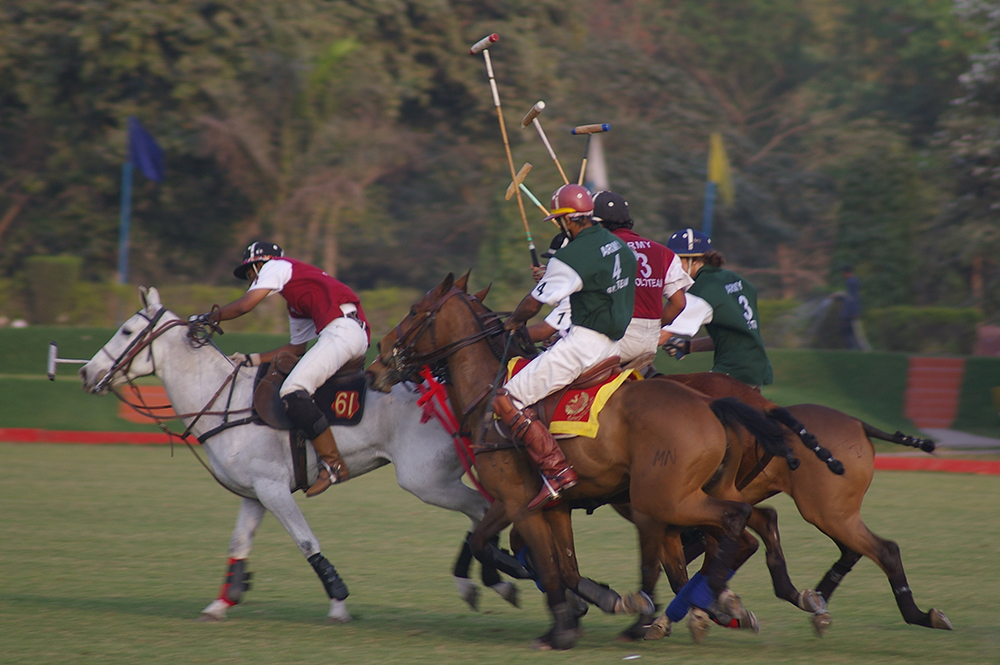
Surveys in leisure horses suggest up to 3% of the population may be affected whilst in performance horses the incidence rises to between 5 and 7% of racehorses, 8% of polo ponies and up to 14% of eventers (McGowan et al, 2002). One study of endurance horses participating in 50 mile rides in north western USA (Wilberger et al, 2015) reported a prevalence of exertional rhabdomyolysis in 4% of the horses. The differences between the disciplines may reflect the speeds at which horses are working but it is important to consider that there will be variability in study design and data collection methods too.
How are muscle problems in horses defined?
- Sporadic ER is defined as affecting those who have no previous ER and the issue is caused by extrinsic factors such as dietary imbalance or over-exertion.
- Chronic ER refers to those individuals who have repeated issues which is due to an underlying abnormality in the muscle structure and function. The defect can either be a disorder relating to the contracting and relaxing of muscles which tends to be called RER, or a defect in how carbohydrates are stored and/or utilised in the muscles which is referred to as PSSM. The latter is further sub-divided into two groups – Type 1 and Type 2.
Recent attempts have been made to try to characterize RER more accurately as historically, diagnosis has been made on the basis of clinical signs and exclusion of other myopathies such as PSSM. Some groups of horses of certain breeds (Warmblood and Arabian) with ER have been reported to have a distinct myopathy termed myofibrillar myopathy (MFM) which involves a muscle protein called desmin aggregating in the muscle tissue (Valberg et al, 2017). It is not clear however, whether these horses have a separate disease as other veterinary research groups have not been able to report the same findings.
In addition, a research group from the RVC in the UK (Lindsay-McGee et al, 2024) have developed and proposed the name ‘exercise-associated myopathy syndrome’ or EAMS to distinguish a subgroup from other RER cases. The specific issues of ataxia (discoordination), weakness, muscle pain, abnormal gait and reluctance to go forward under saddle contribute to a distinct EAMS phenotype (observable traits or characteristics).
- Equine PSSM1 is caused by a genetic mutation found in more than 20 breeds of horses. These horses don’t break down glycogen in their muscles as easily as normal horses due to a mutation of the enzyme Glycogen Synthase 1 (GYS1). This means they can have 1.5 – 5 times more muscle glycogen in their muscles compared to normal horses. This can make it very difficult and painful for them to move.
Whilst some PSSM1 horses are asymptomatic, diets high in non-structural carbohydrates (sugar and starch) can exacerbate clinical signs as these nutrients are stored as glycogen. Signs include apparent laziness, shifting lameness, tensed up abdomen, tremors in flank area and firm hard muscles over hindquarters. More chronic signs such as reluctance to move forward, muscle loss and lack of energy are seen in Draft Breeds and gait abnormalities can also be seen in Quarter Horses.
- PSSM2 refers to all PSSM cases that aren’t caused by genetic mutation GYS1 and so there may be more than one further subset identified in due course. PSSM2 is more prevalent in Warmbloods and is often detected via poor performance investigations. The most common signs of PSSM2 are poor performance and a drop in energy levels after a short period of exercise. Unwillingness to perform can be highlighted by the horse’s reluctance to collect and engage hindquarters, as well as poor rounding over fences. Firm back and hindquarter muscles can also be seen in some cases.
Feeding and management advice
The need to keep starch intake to a minimum and ensure the diet is balanced is a basic principle that applies to all of the different sub-types of muscle problems. The extent to which starch can be lowered and alternative feed materials used is determined by the individual’s condition, workload and type, as well as practical things like availability of other feedstuffs and scope to turn out.
Turning out to grass as much as possible is recommended for most horses for their overall health and well-being but particularly for those prone to muscle disorders, such as PSSM in horses. There are exceptions, the most obvious being laminitis. Horses with muscle problems – PPSM1 in particular, also fall into this category for the simple reason that grass is abundant in sugar and so unlimited access may contribute to the excessive accumulation of glycogen in the muscles. Bringing horses with PSSM off grass for some or all of the time may be necessary to help control the amount of sugar they are consuming.
As being allowed to move around more than when stabled is also believed to be beneficial, alternative strategies to turning out on grass include using barns, corrals, track systems, woodchip “paddocks”; all the same options as are used for those prone to laminitis. It is still important that the horse receives plenty of fibre and so forages need to be used as alternatives to grazing.
Again, grass based forages can contain a lot of sugar and so for equine PSSM cases, alternatives may really help to manage the disease. Straw is low sugar and low energy (calorie) and so is useful for those that hold weight easily. If someone has a concern about using straw it is usually because they are worried about impaction colic or they believe it increases the risk of ulcers. If a horse has a history of impaction colic or has dental issues then straw is probably best avoided but, if introduced gradually and mixed with other forage, straw should be absolutely fine to feed to the majority of good doers. Afterall, it is a widely used ingredient in many chopped fibre feeds. The key is not letting a horse consume too much in one go and so diluting it amongst other forage will help to reduce that risk.
A recent study has helped to provide reassurance that the ulcer risk is a bit of a fallacy. This is because the vital piece of information, that often gets missed out, is that straw had to be the sole or majority forage fed for it to increase the risk of ulcers. Very few people in the UK feed as much straw as that and the more recent study (Jansson et al, 2021) has shown that up to 50% inclusion of wheat straw did not increase the risk of ulcers. The downside to straw is its hygienic quality as there is greater potential for soil contamination but it can be soaked or steamed to help manage dust levels.
At the other end of the spectrum, the forage used for poor doers needs to provide as much energy as possible to help support their requirements for work and to maintain condition. The greater the contribution from forage, the less reliant we are on the bucket feed. Whilst there are many lower starch feeds that can be used, they inevitably contain higher levels of oil to bring the energy density up and oil is not the most palatable ingredient. Therefore, the less we need to use, the less likely we are to put the horse off eating!
The forages that provide the most energy are those that are more digestible. They tend to be harvested earlier which means the grass is less mature and not so lignified. Wrapped forages are often cut earlier as they require less drying time and are recommended for performance horses because of their better hygienic quality than sun-dried forage. Wrapped forages can be divided into those that have fermented and those that haven’t that are now generally referred to as wrapped hay. The latter is still cleaner than hay but, because fermentation hasn’t occurred to a significant extent, the sugar levels are basically the same as hay. A true haylage that has fermented has less sugar because it has been converted to volatile fatty acids as part of the fermentation process. This means it is more acidic but lower in sugar. Both forms of wrapped forage are acceptable to feed to horses with muscle issues that need higher levels of energy for work or to maintain condition.
A balanced diet appropriate for the work level is obviously important. For those that hold their weight easily then broad spectrum sources of vitamins and minerals such as balancers or supplements are ideal as they don’t provide any significant levels of additional calories. It is important to consider that if straw is being used at higher levels ie up to 50% of the forage ration, it will have much lower levels of minerals and vitamins than grass forages and so additional supplementation may be required. It is worth checking with a nutritionist if you are using straw.
If forage isn’t enough to keep a horse in work in good enough condition then the bucket feed is where we can supply additional energy. The key is to keep starch levels as low as possible and so high oil and high quality fibre feeds are the go-to materials to use instead. Sugar beet and alfalfa based feeds are readily available and are highly digestible forms of fibre. Unmolassed versions means the starch and sugar levels are below 5% and, as they are straights, work alongside balancers and supplements very well.
Some chopped fibre feeds contain high levels of oil or if you prefer you can add oil separately either as a liquid or in the form of a high oil feed supplement. The latter often include ingredients like rice bran and soya hulls. Do be aware that the starch levels in these feeds is around 20% so although they provide a lot of oil, it’s not without starch too. The feeding rates are relatively low which is how the starch intake is kept down but if you have a very severe case or you find you’re needing to feed quite a lot to get the energy required, do be aware that the starch will be creeping up too. You may find that using some liquid oil and some high oil feed supplement is a better balance.
References
-
- Jansson et al (2021) Straw as an Alternative to Grass Forage in Horses—Effects on Post-Prandial Metabolic Profile, energy Intake, Behaviour and Gastric Ulceration. Animals. 11.
- Lindsay-McGee et al (2024) Characterisation of phenotypic patterns in equine exercise-associated myopathies. Equine Veterinary Journal. DOI: 10.1111/evj.14128
- MacLeay et al (1999). Epidemiologic analysis of factors influencing exertional rhabdomyolysis in thoroughbreds. American Journal of Veterinary Research. 60:1562–6.
- McGowan et al (2002) Incidence and risk factors for exertional rhabdomyolysis in thoroughbred racehorses in the United Kingdom. Veterinary Record 151:623–6.
- Upjohn (2005) Incidence and risk factors associated with exertional rhabdomyolysis syndrome in National Hunt racehorses in Great Britain. Veterinary Record. 156:763–6.
- Valberg (2017) Clinical and histopathological features of myofibrillar myopathy in Warmblood horses. Equine Veterinary Journal 49 (6):739-745. doi: 10.1111/evj.12702.
- Wilberger et al (2015) Prevalence of exertional rhabdomyolysis in endurance horses in the Pacific northwestern United States. Equine Veterinary Journal. 47: 165–70.



Expert advice at your fingertips
If you’re looking for advice on the best feed, speak to one of our highly experienced nutritionists on our feedline, or for a more in-depth plan, fill out our Feed Advice Form