


Laminitis in Horses
The proportion of horses and ponies affected by laminitis has been reported to be between 1.5 and 34% in papers published in peer-reviewed journals. These numbers include studies from around the world and largely relate to cases diagnosed by veterinary surgeons.
The last time (2018) the Blue Cross National Health Survey was conducted in the UK, the prevalence of laminitis in horses and ponies was reported to be 5.3%. Just over 5500 people took part in the survey and gave information about nearly 14 000 horses which is the largest scale epidemiological study data available in the UK.
It is worth noting that many cases of laminitis are not reported to vets and many horses and ponies have repeat episodes so the frequency of laminitis may even be greater in some equine populations.
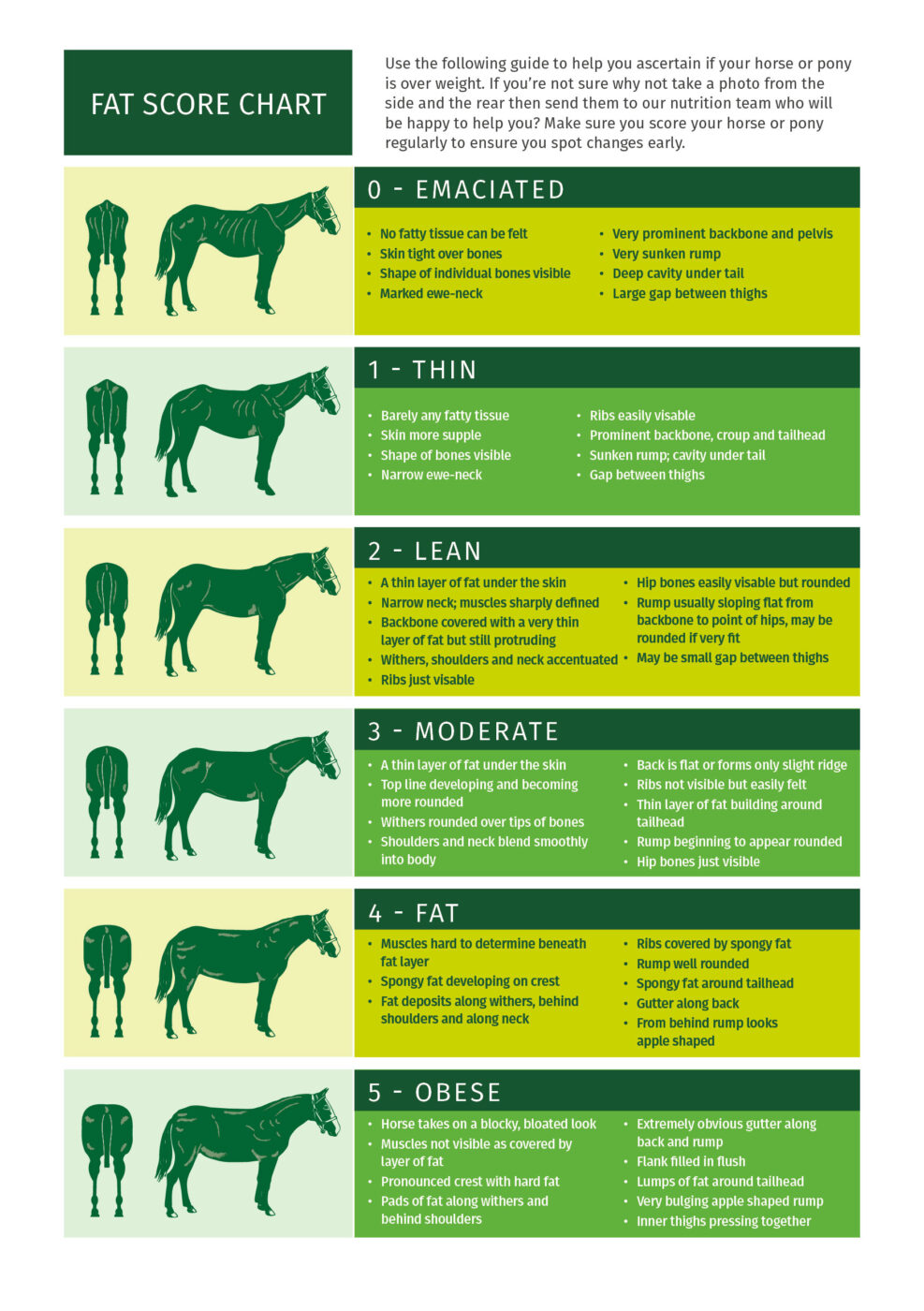
Being overweight increases the likelihood of a horse or pony developing laminitis and, as equine obesity is a significant issue in the UK, many horse owners will unfortunately encounter laminitis. It can be a distressing, costly and time-consuming disease to manage which is why the levels of equine obesity are so concerning. If you are concerned about laminitis or are managing a horse or pony with the disease, we recommend also reading our advice on weight management too as this will be key for their long term management and care.
What is Laminitis?
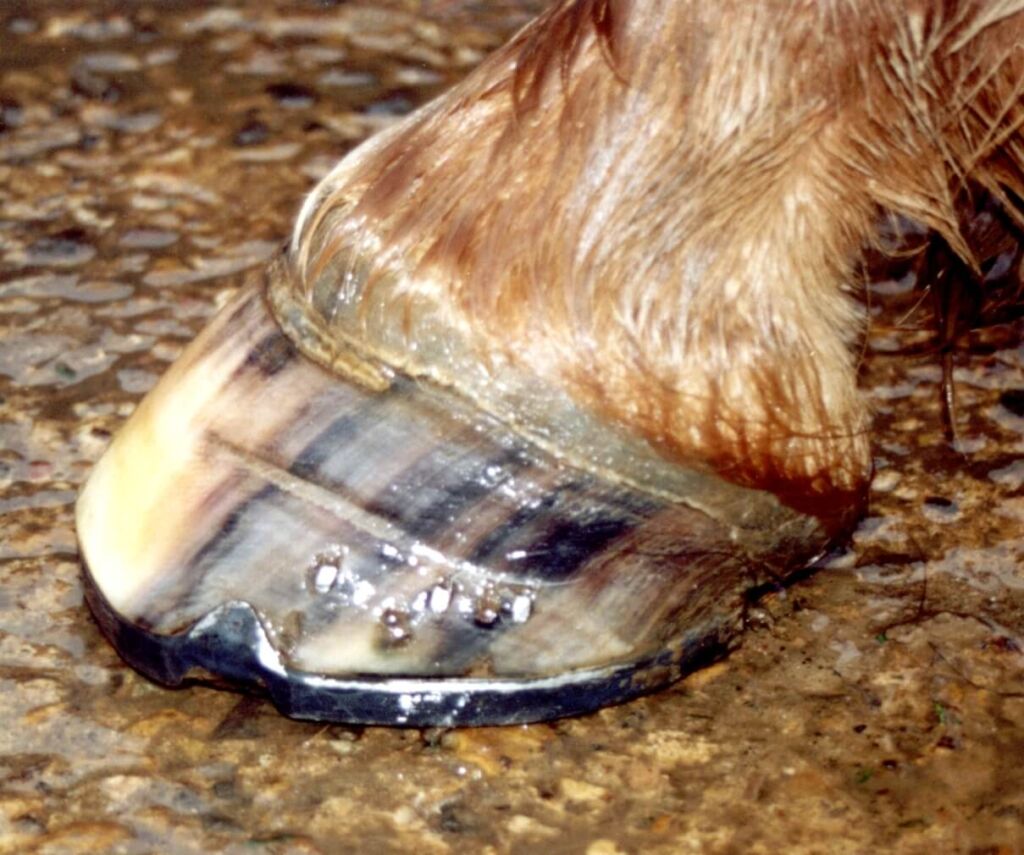
The layer of tissue which connects the hoof wall to the pedal bone is known as the laminae. Laminitis in horses occurs when the laminae becomes inflamed (itis) which results in severe pain as the hoof wall is obviously rigid and so doesn’t expand to accommodate the swelling.
In severe cases, the connection between the laminae and the pedal bone fails allowing it to rotate down which may be referred to as foundering. The pedal bone may even penetrate through the sole of the hoof in very severe cases.
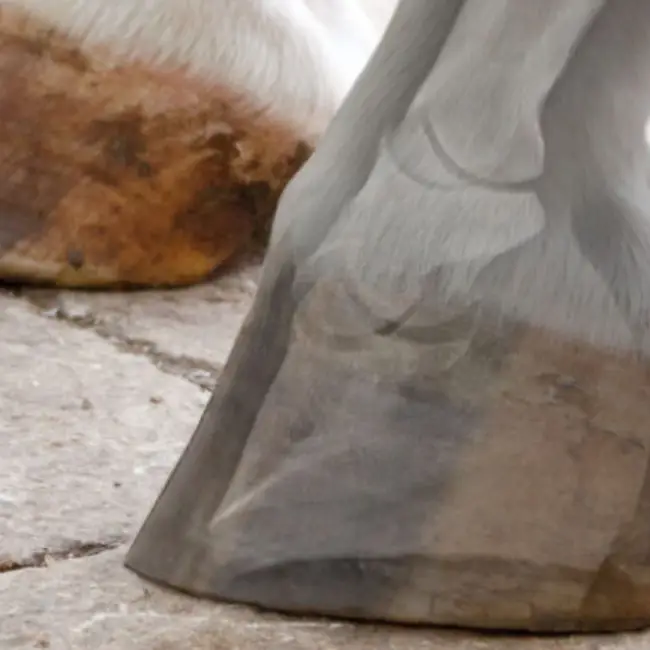
The disease is more commonly seen in the front feet and horses suffering from laminitis often adopt a classic stance of rocking back onto the hind legs to take the weight off the front feet.
The horse often also tries to push his weight onto his heels as the toe area is typically the most painful. The horse will be reluctant to move and will shift their weight from one leg to another. The lameness is more pronounced on hard ground and when turning.
One of the signs of laminitis in horses is a pounding digital pulse. This can be felt at the back of the fetlock on either side where a group or bundle of blood vessels can be felt. It is worth familiarising yourself with how a normal pulse feels so you can tell when it is more pronounced and therefore an indication of laminitis.
Inflammation is usually accompanied by heat, so if your horse’s feet feel hotter and you notice other signs of laminitis in your horses, you should call your vet without delay. Acting fast to reduce the severity of symptoms and increase the chances of a full recovery.
The causes of laminitis in horses are generally grouped into 3 categories which are:
- Mechanical stress/overload – excessive weight bearing is thought to disrupt the blood supply to the laminae resulting in inflammation. This is most common when the horse has an injury in one limb and is shifting its weight to the other limb.
- Inflammatory diseases such as placentitis, and septicaemia – the exact disease process is not fully understood but inflammation in other parts of the body seems to trigger inflammation in the laminae too
- Endocrine (hormonal) disease – PPID and EMS are two diseases that cause hormonal changes in the body which predispose the horse to laminitis.
The excessive ingestion of non-structural carbohydrates (NSC) such as starch and sugar has long been recognised as a cause of laminitis. Research models based on an NSC overload have been used in studies in the past to try to learn more about the disease process and yet many questions still remain unanswered. It is known, however, that excessive consumption of NSC means it cannot all be absorbed in the small intestine and so reaches the horse’s hindgut. Here it is rapidly fermented by the microbiota to produce more acidic short chain fatty acids than would be produced by fibre fermentation. The hindgut becomes more acidic resulting in the death of bacteria that cannot tolerate the increased acidity. This is also termed dysbiosis and may be accompanied by loose droppings or diarrhoea.
The increased acidity also increases the permeability of the hind gut allowing pathogenic substances to escape from the gut into the body that wouldn’t normally be able to do so in a healthy gut. It is thought that bacterial endotoxin escaping from the gut may play a role in triggering inflammatory changes in the body. It is also worth noting that low fibre diets, with or without NSC reaching the hindgut, have also been shown to increase gut permeability in other species. This is another reason why we strongly advocate feeding a minimum of 1.5% of bodyweight as forage every day.
Recently a lot of attention has been focused on endocrinopathic laminitis in horses e.g. those occurring in horses with EMS or PPID. It is now known that hyperinsulinaemia (high levels of insulin) can cause laminitis without the need for an overload of NSC. Given the high levels of obesity and EMS in many equine populations, it is no surprise that this is regularly cited as the most common cause of laminitis.
Whatever the cause, the advice remains to remove feeds containing high levels of NSC from the ration immediately and a low NSC ration is likely to be needed for the future management of any horse or pony that has previously had laminitis.
Can I turn my laminitis prone horse or pony out to grass?
Grazing seems like the most natural thing we can allow our horses and ponies to do – after all they have evolved to graze and browse in their natural environment. However, grazing supplies highly variable amounts of NSC and can be the final trigger for laminitis which is why grass intake needs to be carefully monitored and managed especially for those most at risk.
If your horse or pony has had laminitis and has been off grass completely, before reintroducing grass turnout you should consider the following: –
- Is your horse a healthy bodyweight? – obesity exacerbates hyperinsulinemia and therefore overweight individuals could be more at risk of laminitis.
- Is your horse showing any clinical signs of laminitis? – if the problem hasn’t completely resolved then seek further veterinary help and keep the horse off grass
- Has your horse had previous multiple episodes of laminitis triggered by grazing, even though they are a healthy weight? – if this is the case it is more appropriate to keep them on a no grass area longer term
- Does your horse have normal insulin sensitivity? – this is determined by testing levels of hormones such as insulin which needs to be done in conjunction with your vet. If they still have abnormal results continue to maintain them on a no grass area as their laminitis risk remains higher
Quite simply, only those horses and ponies that aren’t showing any signs of laminitis currently, are not overweight and that don’t have an underlying metabolic problem such as Equine Metabolic Syndrome (EMS) or PPID, are the lowest risk.
If you are able to turn out your horse or pony it is vital that you keep them at a healthy bodyweight by managing their grass intake with methods such as strip grazing or the use of grazing muzzles. Pasture NSC content is also of concern and grazing may need to be further restricted or removed at times when there is more to eat such as the spring and autumn or when levels of NSC are naturally higher.
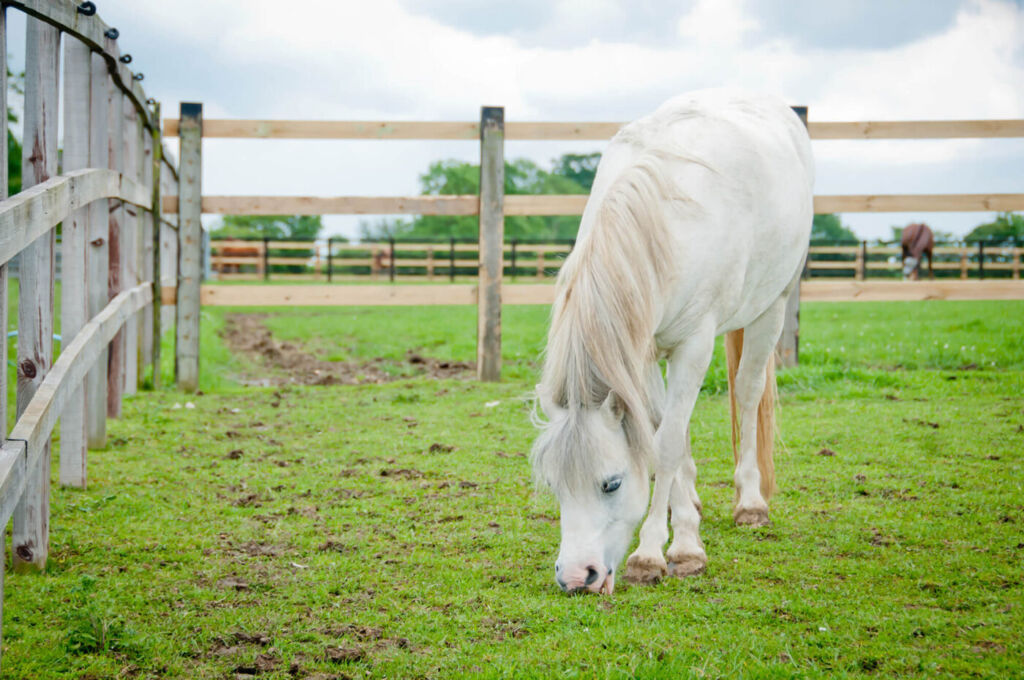
Generally the following advice is given regarding turnout
- Turn out early morning, removing from pasture by mid-morning. This is because overnight grass plants use stores of NSC as there is no light available to use for photosynthesis – the process that produces sugar in plants. The levels of sugar decline overnight but start to increase again through the day with higher light levels.
- Try to graze paddocks that are sown with grasses that are naturally lower in sugar such as Timothy. Some grass types such as ryegrass are much higher in sugar and are commonly found in former dairy pasture. However, even grasses that are typically low can accumulate high levels of NSC given the right environmental conditions and so it is important not to just assume your horse will be safe.
- Avoid grazing conditions where there is lots of light, but it is cold such as bright, frosty winter mornings. Grass is unable to grow below 5C, but if it is bright it will still be photosynthesising and so producing sugar which will accumulate.
- Drought and overgrazing can both result in higher levels of NSC in the pasture as the grass is unable to grow and use its energy stores.
- Ideally pastures should be regularly cut or grazed to maintain them in the actively growing stage as this uses NSC.
- The use of a grazing muzzle can help to limit NSC intake as the horse isn’t able to consume as much grass and gets a small amount of grass per bite.
Several studies highlight differences in the microbiota both in terms of diversity and number of different bacteria in the digestive tracts of apparently healthy horses and those with diseases such as laminitis. The question remains however, as to whether the changes contribute to the development of disease or occur as a result of disease. Studies relating to gastrointestinal microbiota are notoriously difficult as it is known there is considerable natural variation between horses and within the same horse especially at times of stress such as exercise, travel and dietary change.
Canagliflozin and etugliflozin are new medications for horses with EMS. In September 2024 a group of leading vets published a letter in the Vet Record highlighting concerns about a number of cases of hyperlipaemia developing as a result of the use of SGLT2i medications. Due to these incidents the vets issued the following recommendations:
“the medications are used only in horses that have failed to respond adequately to appropriate dietary and exercise management or those with significant active laminitis” and “owners should be informed of the potential adverse effects and be counselled to be vigilant for the clinical signs of hyperlipaemia.”
In response to this we have compiled a checklist for all the dietary management and other actions that we believe can and should be taken before resorting to medication. Click here to view the checklist.
Reducing the risk of laminitis
The following are top tips for trying to reduce the risk of laminitis in horses:
- Keep your horse or pony at a healthy weight
- Ensure your horse receives at least 1.5% of bodyweight as forage per day – use more of a low calorie fibre source than less of a higher calorie
- Minimise or avoid cereal based feeds to help reduce the risk of insulin dysregulation
- Use high quality fibre and oil to provide additional energy for weight gain or exercise if needed
- Ensure a balanced diet is provided – low NSC options such as supplements and balancers are ideal
- Slow the rate of intake using straw both in the forage ration and the bucket feed – this helps to reduce the insulinaemic response
- Provide increased antioxidant support to help counter a reduced anti-inflammatory state associated with laminitis
- Ensure your farrier visits regularly to maintain good hoof conformation
- Consult with your vet if your horse is on box rest due to an injury – consider if there is a risk of supporting limb laminitis and provide a deep, supportive bed when stabled.
Risk of Laminitis
There are lots of different factors that increase a horse or pony’s risk of developing laminitis. We have developed a questionnaire to help you ascertain your horse’s risk level.
It is a guide and is only as good as the information you put in, so answer as honestly and accurately as you can. If you horse has a high score it doesn’t mean they will definitely get laminitis and conversely, a low risk score doesn’t mean they won’t, but it is well established through lots of studies and research that being overweight in particular, significantly increases the risk of laminitis. When other factors come into play – sometimes without you realising – they combine to tip the horse or pony over the threshold and clinical signs of laminitis become apparent.
The aim of the questionnaire is just to highlight some of the management practices that increase the risk of laminitis and that you may want to change if you can – especially if your horse has a high risk. This questionnaire is not an alternative to, or replacement for, seeking the advice of a qualified vet.
If you have any queries about the questionnaire please don’t hesitate to contact the Dengie Feedline on 01621 737088 or visit our contact page to get in touch.
FAQs
References
- Daly et al, (2011) Alterations in microbiota and fermentation products in equine large intestine in response to dietary variation and intestinal disease. British Journal of Nutrition
- Jassim and Andrews (2009) The bacterial community of the horse gastrointestinal tract and its relation to fermentative acidosis, laminitis, colic and stomach ulcers. Veterinary Clinics: Equine Practice.
- Pollard, D., et al (2018) Incidence and clinical signs of owner-reported equine laminitis in a cohort of horses and ponies in Great Britain. Equine Veterinary Journal.



Expert advice at your fingertips
If you’re looking for advice on the best feed, speak to one of our highly experienced nutritionists on our feedline, or for a more in-depth plan, fill out our Feed Advice Form