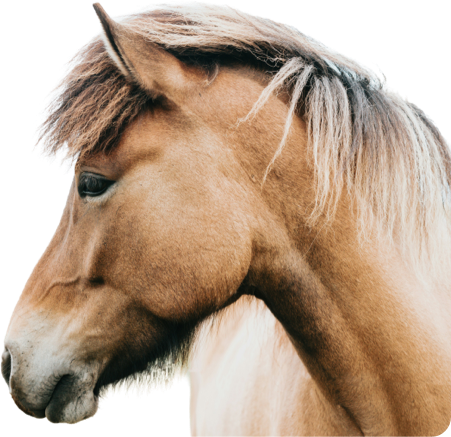


Feeding the Polo Pony
Polo is a unique and challenging sport for horse and rider. Getting the horse’s diet right is crucial for keeping the horse healthy which allows them to perform at their best.
The Importance of Fibre for Health & Performance
Horses have evolved to function best on a high fibre diet. Not all fibre is the same though and alfalfa, grass and sugar beet pulp are examples of highly digestible sources of fibre which help to keep “dead weight” in the gut to a minimum, making them far better for polo ponies than straw-based chaffs.

Alfalfa Has Other Benefits Too:
- Alfalfa is great for supporting gastric health, helping to counteract the negative effects of feeding cereals – this is thought to be due to abundant levels of naturally occurring calcium and amino acids which help to maintain healthy acid levels in the stomach.
- Alfalfa provides a good level of slow-release energy – Dengie Alfa-A Original is comparable to a cool mix in terms of its energy content and Dengie Alfa-A Oil is the same as a conditioning or competition mix at 12.5MJ/kg digestible energy.
- Alfalfa is a good source of essential amino acids – the building blocks of protein that have to be supplied in the diet. This helps to build muscle tone and topline.
Hydration and Performance
Sugar beet pulp isn’t always the most practical feed to use on yards with large numbers of horses as it requires soaking prior to feeding. However, it does have benefits to the horse that may outweigh the inconvenience. The water that is consumed with soaked sugar beet pulp can be a useful way of helping to hydrate the horse. The added benefit is that sugar beet pulp is readily broken down in the gut releasing the water for absorption. Indigestible fibres such as grass hay can actually bind water in the gut and only release it slowly.
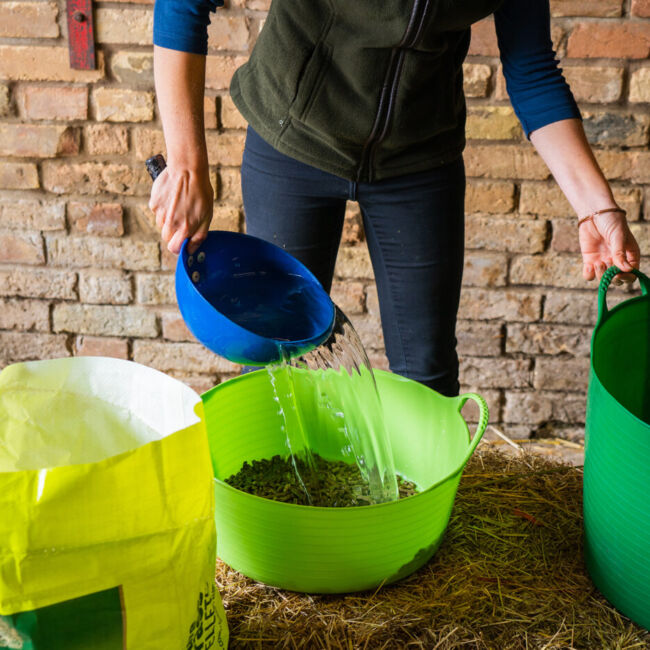
Sports horses lose electrolytes alongside water through their sweat and so both need to be replaced to avoid poor performance, early onset of fatigue and muscle problems. If your ponies won’t drink electrolytes in their water, they can be added to a wet, slushy feed to promote absorption. Mixing them with Dengie Alfa-Beet, which has a quick soak time of 15 minutes in hot water, is a great way of encouraging them to consume the electrolytes and getting the benefit of some sugar beet pulp in the ration.
The nature of high performance exercise means that there is an increased risk of muscle problems such as ERS (previously known as Tying-Up or Azoturia). The following tips can help to reduce the risk:
- A risk factor for ERS is a high starch diet and so reducing or removing cereals from the ration is advisable. Fibre and oil, such as in Alfa-A Oil, are great ways to provide safe energy and the oil also helps to promote improved stamina, which is particularly useful for ponies playing and training hard regularly
- Use an electrolyte supplement routinely whenever the ponies are sweating – before, during and after travelling and exercise
- Ensure the diet is balanced – a lack of trace minerals, particularly selenium, may compromise antioxidant function, resulting in further muscle damage
High starch, low fibre diets, the stress of travelling and competing and exercising at speed all increase the risk of Equine Gastric Ulcer Syndrome (EGUS). Symptoms include lack of appetite, recurrent colic and poor performance.
The following tips can help to reduce the risk of gastric ulcers:
- Feeding a double handful of chopped fibre such as Dengie Alfa-A Oil or Healthy Tummy, prior to exercise helps to stop acid splashing around in the stomach.
- Using a feed containing alfalfa such as the Dengie Alfa-A range, helps to maintain healthy acid levels in the stomach.
- Reducing the amount of cereals and high starch feeds fed is also advisable as high intakes of starch can increase gastric acid production.
- Dengie Healthy Tummy is based on alfalfa and also includes digestive aids including yeast, prebiotics and postbiotics that all promote gut health. A unique blend of herbs is included to aid palatability for fussy feeders.



Expert advice at your fingertips
If you’re looking for advice on the best feed, speak to one of our highly experienced nutritionists on our feedline, or for a more in-depth plan, fill out our Feed Advice Form