


Performance – Feeding the Disciplines
Feeding the disciplines
Read the following information and then complete the quiz questions at the end of the page to test your knowledge and earn AMTRA points.
This resource will introduce you to the following topics:
- Feeding the performance horse – general principles
- Feeding different disciplines
- Natural and Other Prohibited Substances (NOPS)
Feeding the performance horse
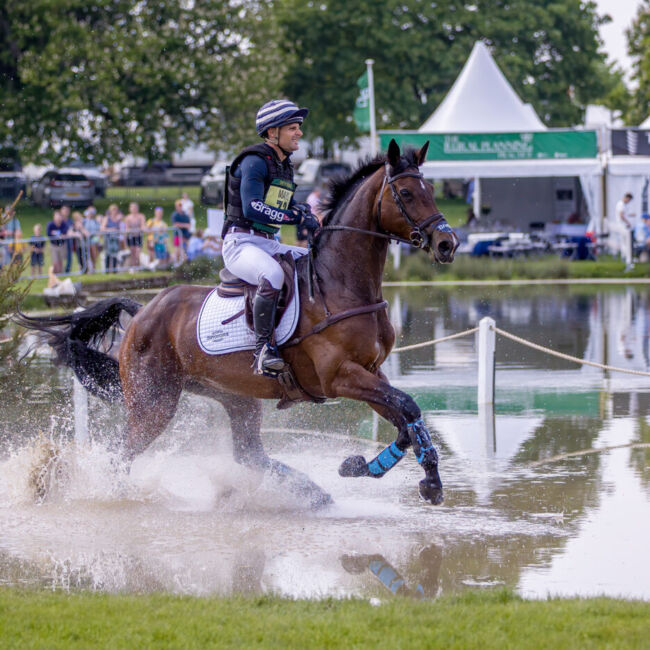
Regardless of discipline, to perform at their best, all types of performance horses need to:
- Be a healthy bodyweight
- Have sufficient forage in their diet
- Have appropriate electrolyte supplementation
- Have sufficient energy in the diet to support their work
- To perform at their best, horses need to be a healthy weight which can be assessed by regularly fat scoring and weigh taping.
- Too thin = too little energy reserves
- In endurance, a study found that horses disqualified for metabolic reasons had a pre-ride body condition score of 2.9 (on the 9 point scale) compared to a score of 4.5 for those disqualified for non-metabolic reasons. Other studies have found that all horses in the study populations that failed to finish had scores of less than 3. Aim for a score of 4-5 on the 9-point scale and 2.5-3 on the 5-point scale.
- Too fat = poor heat dissipation and extra strain on the body
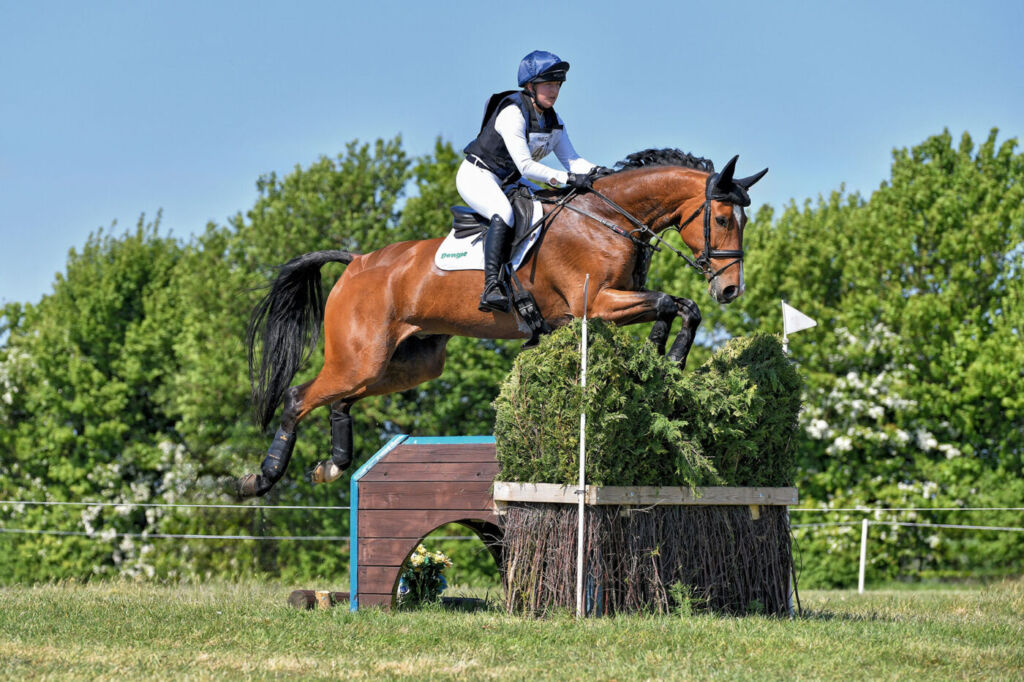
- Dressage horses, even those competing at a high level, are often good doers and prone to being overweight. Being overweight puts significantly more stress on the joints which affects longevity in the discipline.
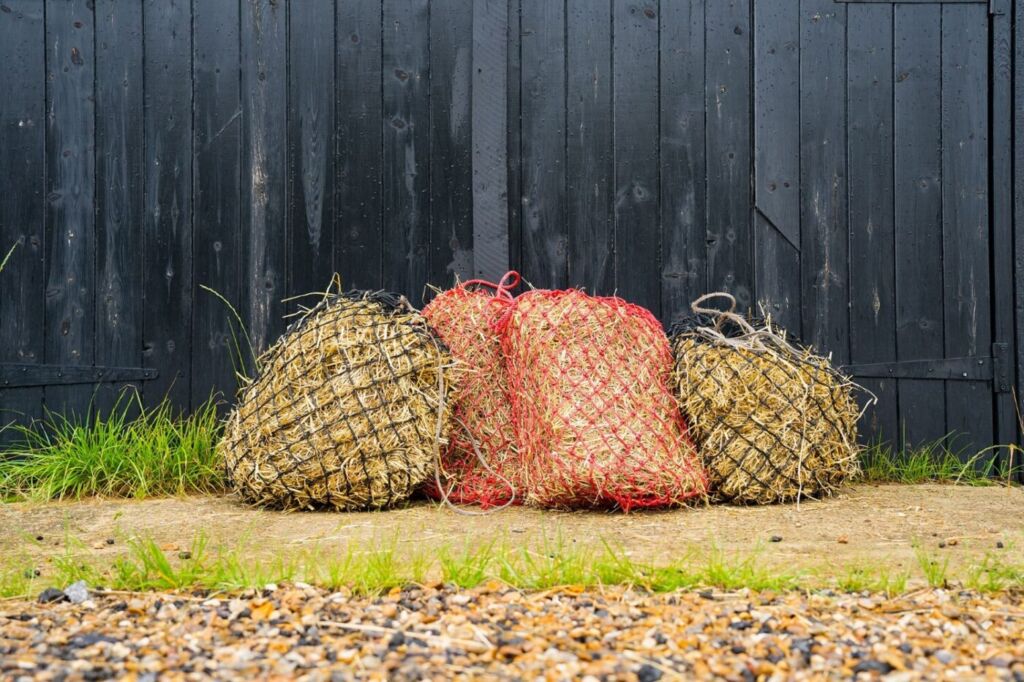
- To maintain digestive and behavioural health, as a minimum all horses should have the equivalent of 1.5% of their bodyweight on a dry matter basis of forage daily. For a 600kg horse, this equates to 9kg on a dry matter basis or 10.6kg as fed (if the hay is 85% dry matter).
- Using more digestible sources of forage such as haylage cut at an early botanical age, alfalfa, grasses, and sugar beet can all make a significant contribution to energy intake – they are not just bulk!
- Straight cereals, mixes and cubes can supply high levels of starch.
- High intakes of starch, especially if fed at the expense of fibre, have been linked to an increased risk of EGUS and colic.
- If cereal-based feeds are used, be mindful of the amount of starch per meal and the amount of starch per day.
- Less than 1g of starch per kilogram of bodyweight per meal and less than 2g of starch per kilogram of bodyweight per day is advised for digestive health.
- Dengie’s Starch Intake Calculator can help you work this out.
Respiratory health
- Supporting a healthy respiratory system is of great importance for the performance horse.
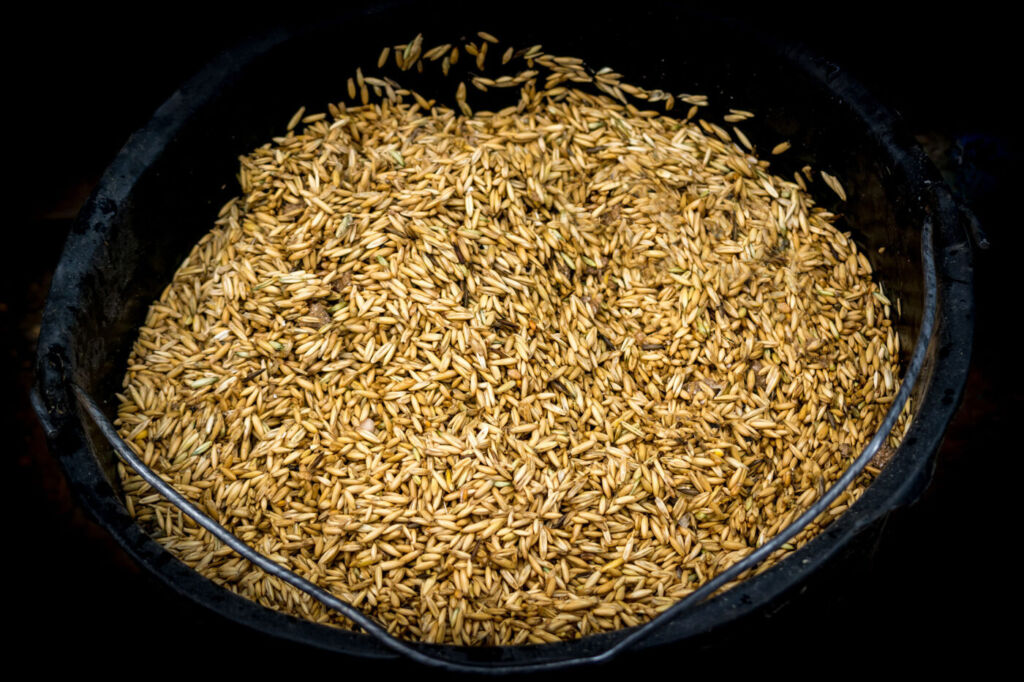
- Using chopped fibres like alfalfa and grasses which have been precision dried is preferable to those that have been sun-dried. Precision drying is a way of conserving forages that ensures they are as clean as possible as well as locking in natural nutrients.
- Straw is a useful ingredient for good doers but should be avoided for the performance horse, as it is sun-dried and contains more mould spores so is not ideal for maximising respiratory health.
Electrolyte supplementation
- Sweating is the main method of heat dissipation when exercising.
- Sweat contains water and electrolytes – losses of each result in fatigue and potentially more serious metabolic disorders.
- Horses lose a large amount of sweat when exercising and this increases in hot conditions
- Electrolytes should be provided throughout training, not just after competition.
Meeting energy demands
- Energy isn’t just required for weight maintenance but to fuel work as well.
- Energy sources used by different disciplines depend on whether the type of exercise is predominantly aerobic or anaerobic.
- When a horse is exercising aerobically at lower speeds, exercise can be fuelled by fatty acids and glucose which is relatively efficient.
- Prolonged periods at higher speeds, e.g., canter work, will shift to anaerobic metabolism, utilising glycogen and glucose.
- Anaerobic metabolism is much less efficient and produces lactic acid which can lead to fatigue.
- In practice throughout training and competition, a combination of aerobic and anaerobic metabolism occurs.
- Equine nutritionists can advise on suitable feeds and quantities for different horses based on their individual requirements.
Example rations for different disciplines
- The endurance horse typically works at low intensities but for for prolonged periods, especially for those competing at the lower levels.
- Energy generation is aerobic so fat and fibre can be utilised.
- In recent years, at higher levels, distances have decreased and speeds have increased, meaning that there is more anaerobic metabolism using more glycogen and glucose.

Example ration for a 500kg endurance horse
- 1.5kg Alfa-A Oil
- 0.5kg Alfa-Beet dry weight before soaking
- A performance balancer fed at the recommended feeding rates
- Up to 500g of oats if required
- Electrolytes
- A balance of energy sources is required as the work encompasses both slower and faster speeds.
- At top levels, behaviour problems or excitability is often an issue.
- A combination of fibre and oil is beneficial when working at lower intensities.
- Some cereals may be used for supporting faster work if required.

Example ration for a 550kg 3-Day-event horse
- 2kg Alfa-A Oil
- 0.5-1kg Alfa-Beet dry weight before soaking
- Performance balancer fed at recommended levels
- Up to 2.5kg of oats if needed
- Warmbloods are often good doers.
- Must supply a low-calorie balanced diet.
- Forage intake may need to be managed to control weight.
- ‘Energy’ is often desired, but being fit and a healthy weight is more critical to this than feeding high calorie or cereal-based feeds that may only result in extra weight gain.

Example ration for a 650kg dressage warmblood in moderate work
- 400g-800g Alfa-A Original
- Performance broad-spectrum vitamin and mineral supplement or balancer
- If required, a handful oats, which can be increased a day or two before a competition.
- Electrolyte supplement
- In terms of nutritional requirements, high goal polo is “intense” work as far as the NRC Nutrient Requirements of Horses is concerned and the ration is similar to that of a racehorse.
- Each game consists of 6 chukkas of a minimum of 7 minutes and max of 7½ minutes.
- In the normal duration of a match, a pony must not play for more than 7½ minutes without a 10-minute break and 15 minutes in total. Should a match go to extra time then a pony that has played two chukkas may be played for as much time as the extra chukka lasts, providing it has had a break of at least 10 minutes.
- A pony must not play more than three full chukkas or the equivalent time in any one day and at more than two locations.

Example ration for a 450kg polo pony
- 1.5-2kg Alfa-A Oil
- Performance balancer at recommended feeding rates
- Up to 2.25kg oats if needed
- Alternatively, a Racehorse Mix/Cube can be fed to recommended quantities, without the need for an additional balancer. However, this would not be recommended for polo ponies prone to health problems like exertional rhabdomyolysis syndrome (ERS, or ‘tying up’) or equine gastric ulcer syndrome (EGUS).
- Electrolytes
- Divided into three feeds a day
Natural and Other Prohibited Substances (NOPS)
- NOPS are prohibited substances that are naturally occurring in plants and can contaminate feed materials used for horse feed.
- They are not intentionally fed to the horse but their presence will still cause a positive test result and the trainer/rider will forfeit the winnings.
- If it is proven that the feed was the source of the positive test, then the rider or trainer is unlikely to receive a ban or fine if they use a NOPS approved feed or can demonstrate they have not been negligent in the feeds they choose to use.
- In all disciplines other than racing, the rider is responsible for the horse even if they only accept the ride on the day of the competition.
- All Dengie feeds are approved under the BETA NOPS scheme. It is NOT a guarantee but a mark that we have done all we can to reduce the risk of contamination with NOPS.
Summary
We want the horse to perform for us but need to maintain health.
High cereal diets increase risk of disease.
High fibre diets not only maintain digestive health but also supply enough energy for moderate work.
Fibre should still be provided at a minimum quantity of 1.5% of the horse’s bodyweight on a dry matter basis, even for horses in hard work.
Test your Nutrition Knowledge!
It’s now time to put into practice what you have learnt about feeding the performance horse. Answer all the questions below correctly to receive your Dengie Nutrition Certificate, plus you can earn TWO AMTRA Suitably Qualified Person (SQP) points. To ensure your points are awarded please make sure that you include your unique AMTRA number in the box provided with your details.
* Required
Related courses