


Feeding the Ex-Racehorse
Taking on a new horse is an exciting time, albeit with some uncertainties about how they are going to settle into their new home. For the former racehorse, there may also be other factors you will need to consider to help them thrive in their new career. The unique aspects of training a racehorse mean that Thoroughbreds are more likely to be vulnerable to certain issues even once they have left racing.
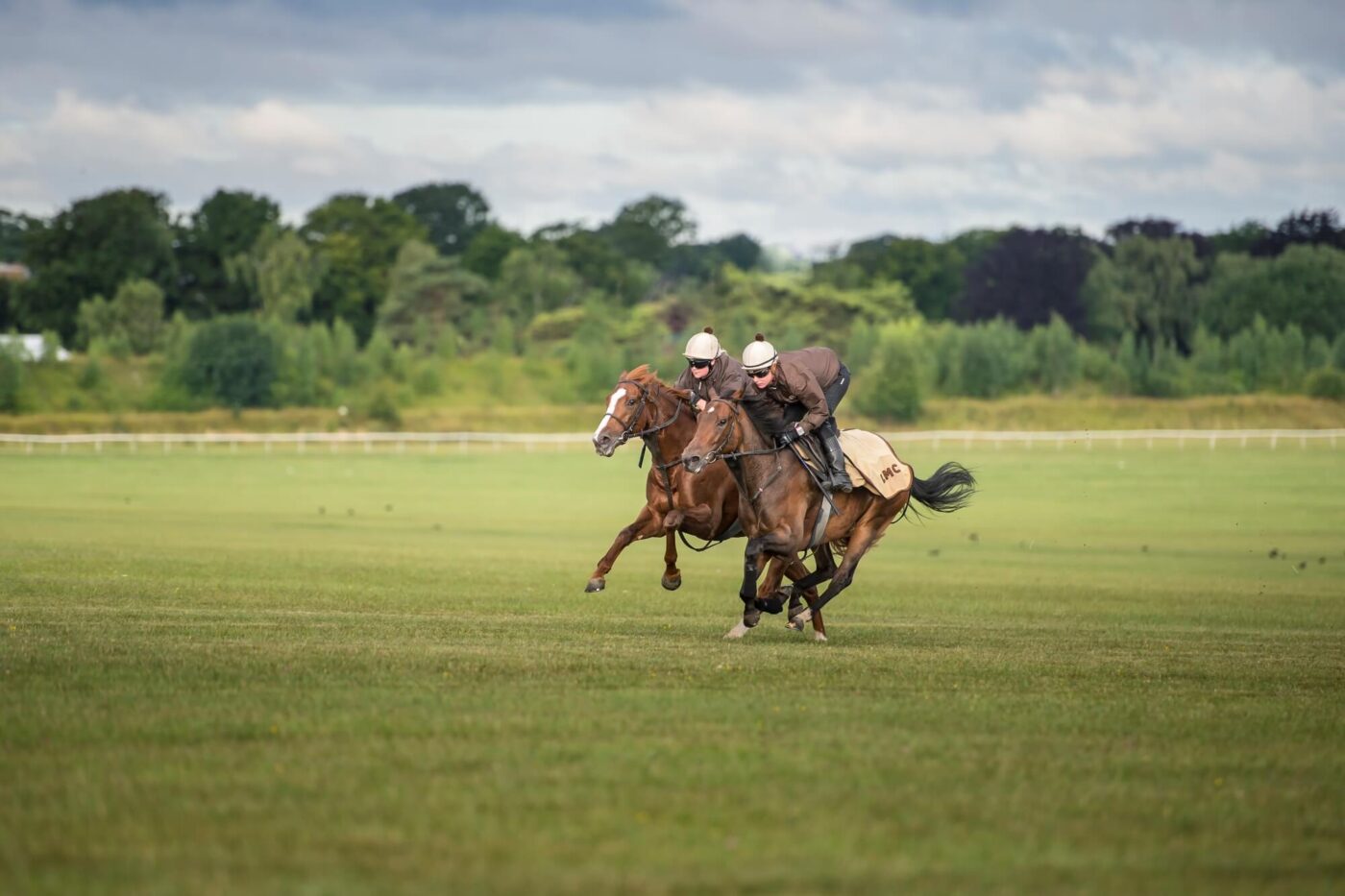
New Arrival – creating the right nutrition plan for your ex-racer
Traditional racehorse diets are high in starch and low in fibre which has an impact on the health and efficiency of the digestive tract. Gastric ulcers are a common problem in racehorses and can be a reason for horses not ‘thriving’ or putting on weight in their new home – they may also cause the horse to be picky and have a limited appetite. It’s important to seek veterinary advice if ulcers are suspected.
A racing-fit horse is likely to be quite lean compared to a normal riding horse and so one of the first things to check is your horse’s bodyweight and body condition score. This is a starting point to establish whether the horse needs to maintain or gain weight and will therefore help determine what type of feed you need.
To help promote digestive health and efficiency, keep the diet fibre based and start by feeding forage to appetite. At this stage, it is a good idea to weigh the forage given and then also to weigh any forage that is left. This will ensure that your horse is actually eating enough. As a rough guide, a horse that is stabled 24/7 will eat between 2-2.5% of their bodyweight in dry matter every day – for a 500kg horse this is 10-12.5kg. If you are using haylage, it is important to remember that this forage contains more moisture than hay and so you need to feed more. For example, you would need to feed 16-21kg of a haylage with 60% dry matter.

With regards to bucket feed, at this stage keep it simple and get your horse settled on a nutritionally balanced ration. Try to keep the bucket feed fibre-based to encourage chewing and saliva production, which is a natural buffer to acidity in the digestive tract. Dengie Healthy Tummy is a nutritionally complete fibre feed that is specially formulated for promoting gut health. Made from pure alfalfa, a leguminous plant that is low in sugar and starch, Healthy Tummy contains digestive aids in the form of prebiotics, postbiotics and yeast to help encourage a healthy microbial population in the gut.
For horses that need to gain weight, select more digestible fibre sources such as sugar beet pulp and alfalfa and feed with oil for extra calories. Dengie Alfa-Beet is a blend of unmolassed sugar beet pulp and alfalfa, making it ideal for improving condition without the fizz – Alfa-Beet contains only a quarter of the sugar found in conventional molassed sugar beet pulp. If feeding a fibre only ration or less than recommended of a feed with added vitamins and minerals then top up with a broad-spectrum vitamin and mineral supplement.
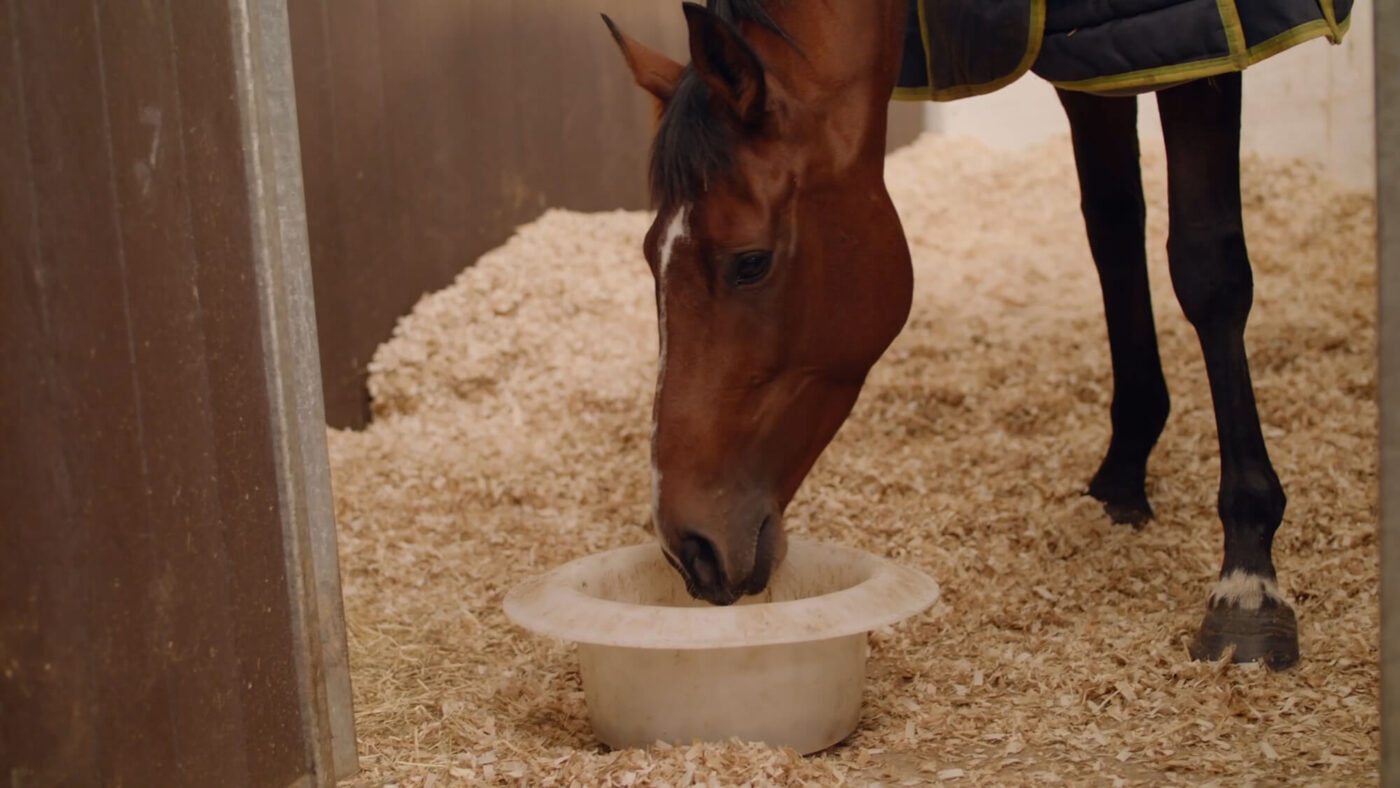
Adding a digestive supplement to the ration to help promote efficient feed utilisation to get the most out of the feed supplied is very useful at this stage. Digestive supplements combining yeast to aid fibre digestion and a prebiotic to feed the beneficial gut bacteria help to support the digestive process. It can be fed daily at a maintenance level or as a concentrated dose during times of stress, such as while travelling or adjusting to a new environment.
Considering diet when you begin ridden work or when there’s a change in workload
When you are starting out on your new training program for your ex-racer, it is important not to assume that you need to change the feed every time you increase workload. Providing more energy than your horse actually needs is likely to result in over-exuberance, particularly if you are feeding a ration with a high cereal content. If your horse is continuing to maintain his weight, or gain weight if desired, once his workload increases then this suggests that you have got the ration right – just continue to monitor bodyweight, performance and workload longer term to see if any changes are needed.
At this stage, many owners will want to avoid fizzy or excitable behaviour and keep everything as calm as possible. It is not only the amount of energy supplied, but the type of energy which is important when it comes to over-exuberance.
Research at the University of Edinburgh studied the effect of diet on behaviour (Bulmer et al., 2015). In the study horses were fed either a fibre- (alfalfa) based ration or one containing a cereal-based concentrate mix of the same energy level. The study found that horses fed the cereal-based concentrate mix were more reactive to new situations, were less consistent in their behaviour and had higher heart rates compared to those fed fibre. These results suggest that feeding fibre results in less reactivity, making horses easier to handle and ride.
If further weight gain is needed at this stage, then using high oil feeds is another way of providing extra energy without the fizz, as oil is an additional source of slow-release energy. Dengie Alfa-A Oil is the ultimate fibre feed that combines alfalfa and rape seed oil, making it perfect for fuelling hard work or promoting condition. The high oil content has the added benefit of giving a healthy shine to your horse’s coat.

Developing topline – feeding to build muscle and support increased work
Feeding for topline and condition is not only about feeding the right nutrients but is also fundamentally related to the type of work or training done. For example, your ex-racer is likely to have received a high-energy, balanced ration when racing, but the muscular appearance is very different compared to that of a dressage horse due to the type of work that is done.
Ensuring sufficient energy and quality protein in the ration is vital. Energy is important, especially if the horse still needs to gain weight, as being of an ideal body condition gives a more rounded appearance compared to a lean horse. It is, however, important not to overdo things – a fat horse is not a fit horse and being overweight will not result in good topline! Protein is used by the body for muscle development and repair of damaged muscle, which is why working horses have a greater requirement. If you are using the recommended quantity of a commercial feed appropriate for your horse’s bodyweight and workload then the manufacturers have already done the sums to ensure your horse will be getting what he needs alongside his forage and grazing.
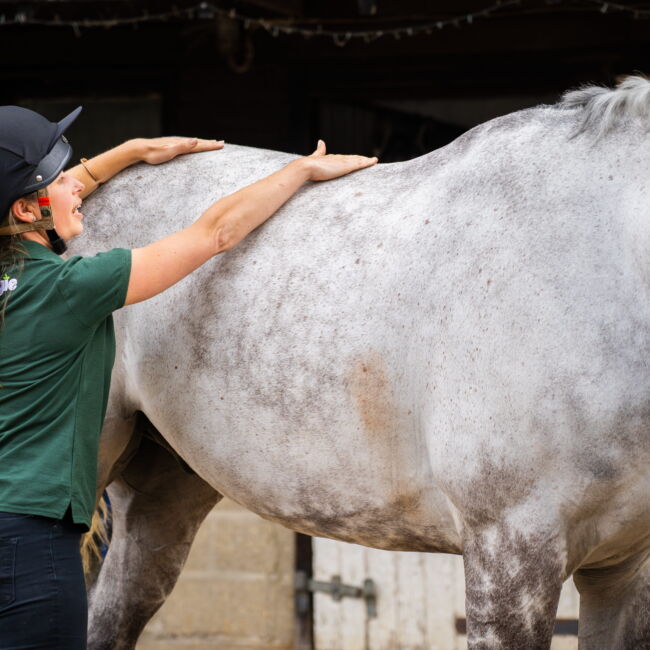
Looking ‘conditioned’ is not just about being well muscled and of appropriate body condition – the appearance of hooves, coat and skin also add to the overall appearance of looking ‘well’. For coat and skin condition, extra added oil can be beneficial especially in the form of those that contain Omega-3 essential fatty acids such as linseed oil. Omega-3 is a constituent of cell membranes and is vital for maintaining normal skin structure and function, which is why it can be beneficial to help promote good skin and coat condition.
Managing nutrition related health issues in Thoroughbreds
Although Thoroughbred horse nutrition is only one of many factors that influence performance, it is a crucial part as it affects the overall health and well-being of the animal. The unique aspects of racing combined with the genetic and physiological attributes of the Thoroughbred necessitate careful dietary management, particularly in those prone to certain issues.
There’s nothing more frustrating than having to interrupt your training regime when poor quality hooves result in lost shoes – unfortunately something for which Thoroughbreds have a bit of a reputation. This could be due to a number of factors, including poor conformation as well as nutrition.
It’s all about balance
Key nutrients for improving hoof quality include biotin, calcium, methionine and zinc. It is important to ensure that your horse’s ration is balanced before adding specific nutrients for hooves, as this may be sufficient to improve hoof quality. However, if you are already feeding the recommended levels of a good quality feed or supplement, adding a specific “hoof” product may be beneficial. More information on feeding to support hoof health can be found here.
Give it time
Whatever methods you employ to try and improve your horse’s hoof quality, give it time to work. It takes six to nine months for a horse’s hooves to grow down and so it may be some time before you notice a difference in hoof quality.
- Alfalfa is helps to support gastric health – alfalfa is abundant in calcium and studies have shown it buffers acidity more effectively than grass-based forages making it one of the best horse feed options for Thoroughbreds. Just half a scoop of a feed from the Dengie Alfa-A range in each feed will help counteract the acidity produced by feeding cereals.
- Chopped alfalfa provides increased chew time which increases saliva production – saliva contains bicarbonate which also buffers acidity.
- Feed chopped fibre before exercise to stop acid splash – it is recommended not to exercise horses on an empty stomach as there is nothing there to stop the acidic contents of the stomach from splashing around when the horse moves. Using a double handful (200-400g) of chopped fibre just before exercise helps to form a fibrous mat to reduce the splash.
- Omeprazole may reduce calcium absorption – this has been shown in humans, and one study has indicated the same is occurring in horses (Swanhall et al., 2018). Whether this is contributing to an increased risk of bone fractures is yet to be confirmed but it is certainly worth providing additional calcium in the ration as a risk reduction strategy. The calcium in alfalfa is highly bioavailable and so easier for the horse to absorb. Just 1 scoop of Dengie Alfa-A Original provides a 500kg exercising horse with a fifth of their daily calcium requirement*.
- Alfalfa is low in starch – but still provides a good level of energy, especially when combined with oil as part of a Thoroughbred horse’s nutrition. Dengie Alfa-A Oil contains the same energy level as many racing rations but with between 5 and 10 times less starch. Keeping starch levels low without compromising on energy intake is key for balancing health, condition and performance.
*Based on NRC guidance for a 500kgs horse in exercise and a calcium level of 1.5% in alfalfa
Research has shown peaks in colic incidence occur at different times in flat compared to National Hunt yards (Hilyer et al., 1997). A higher incidence was seen in March and June in flat training yards and September in National Hunt premises. This may well be due to an increase in workload as part of a fitness program accompanied by an increase in cereals feeds which is a risk factor for colic. The cause of the colic wasn’t identified but could also be linked to gastric ulcers which would correlate with an increase in workload for the respective disciplines.
Feeding strategies to reduce the risk of colic in racehorses
- Use feeds that are high in oil such as Dengie Alfa-A Oilor Performance Fibre as part of the bucket feed to reduce the reliance on cereal based concentrates.
- Use more digestible sources of fibre such as alfalfa and sugar beet pulp included in feeds like Dengie Alfa-Beet– as they are fed soaked they have the added benefit of taking water into the gut.
- Add fibre to slow the rate of intake and passage of cereal based feeds through the gut.
- Divide feeds into several small meals across the day.
Muscle issues are often multi-factorial and when a “perfect storm” of circumstances occur, clinical signs become evident. When racehorses are in training, the balance is providing fuel for fast, intense work, but trying to keep starch levels as low as possible, as high starch intakes are one of the risk factors that can result in muscle problems. It is worth noting that research has shown that horses in high levels of training could perform racing level exercise on a fibre-based ration without compromising performance or recovery (Martin et al., 2023). Using high quality, easily digestible forages and fibre sources as part of Thoroughbred horses’ nutrition would help to compensate for the lack of starch in the ration and provide energy in a form they can utilise.
Feeding strategies to reduce the risk of muscle problems:
- Feed low sugar and starch feeds using fibre and oil as energy sources where possible such as in Dengie Alfa-A Oilor Performance Fibre. These provide good levels of quality protein, energy and natural vitamins and minerals without the starch found in cereal based feeds.
- Ensure the diet is balanced and that electrolytes are used.
Tempting the fussy ex-racehorse is a particular challenge when it comes to a Thoroughbred horse’s nutrition. Findings from PhD research suggests that hospitalised Thoroughbreds are more likely to go off their feed than other breeds even when gastric ulcers have been ruled out (Williams, 2022). Interestingly previous studies have also found that Thoroughbreds experience a higher rate of post anaesthetic gastrointestinal complications such as colic, reduced faecal output and colitis compared to non-Thoroughbred horses but the cause has not been determined to date.
Feeding strategies for fussy feeders:
- Dengie Performance Fibre has been developed to try to tempt even the fussiest horse and has proven to be particularly successful. The inclusion of grass and spearmint oil provide a natural sweetness and tempting flavour respectively
- Feeding several smaller meals can help avoid over-facing the horse.
- Dampening the feed with Dengie Alfa-Beet Mash can also help tempt fussy feeders
- Always introduce new feeds gradually
References
- Bulmer et al., (2015) The effects of a high-starch or high-fibre diet on equine reactivity and handling behaviour. Applied Animal Behaviour Science, 165, pp.95-102.
- Buffa et al., (1992) Effect of a dietary biotin supplement on equine hoof horn growth rate and hardness. Equine Veterinary Journal. 24, pp.472-474.
- Hilyer et al., (1997) A cross-sectional study of colic in horses on Thoroughbred training premises in the British Isles in 1997
- Lybbert et al., (2007) Proceedings of Annual Convention of the AAEP, Orlando, Florida, 2007.
- Martin et al., (2023) Effect of high-starch or high-fibre diets on the energy metabolism and physical performance of horses during an 8-week training period. Frontiers in Physiology, 14,1213032
- Nadeau et al., (2000) Evaluation of diet as a cause of gastric ulcers in horses. American Journal of Veterinary Research 6(7), pp.784-90.
- Swanhall et al (2018) Mineral and Vitamin Supplementation Including Marine-Derived Calcium Increases Bone Density in Thoroughbreds. Proceedings of the Australasian Equine Science Symposium
- Williams, K. (2022) An evaluation of the interprofessional dynamics between equine nutritionists and the veterinary profession. PhD Thesis, College of Medical, Veterinary and Life Sciences, University of Glasgow.



Expert advice at your fingertips
If you’re looking for advice on the best feed, speak to one of our highly experienced nutritionists on our feedline, or for a more in-depth plan, fill out our Feed Advice Form